
Gallbladder Cancer – CMA Clinical Spotlight by Dr Amrita Singh MCMA – Homoeopath, Psychologist & Nutritionist
What is gallbladder cancer?
Gallbladder cancer is a rare type of cancer that develops when abnormal cells in the gallbladder grow and multiply uncontrollably. The gallbladder is a small, pear-shaped organ located beneath the liver. Its main function is to store and release bile, a digestive fluid produced by the liver that helps the body break down fats.
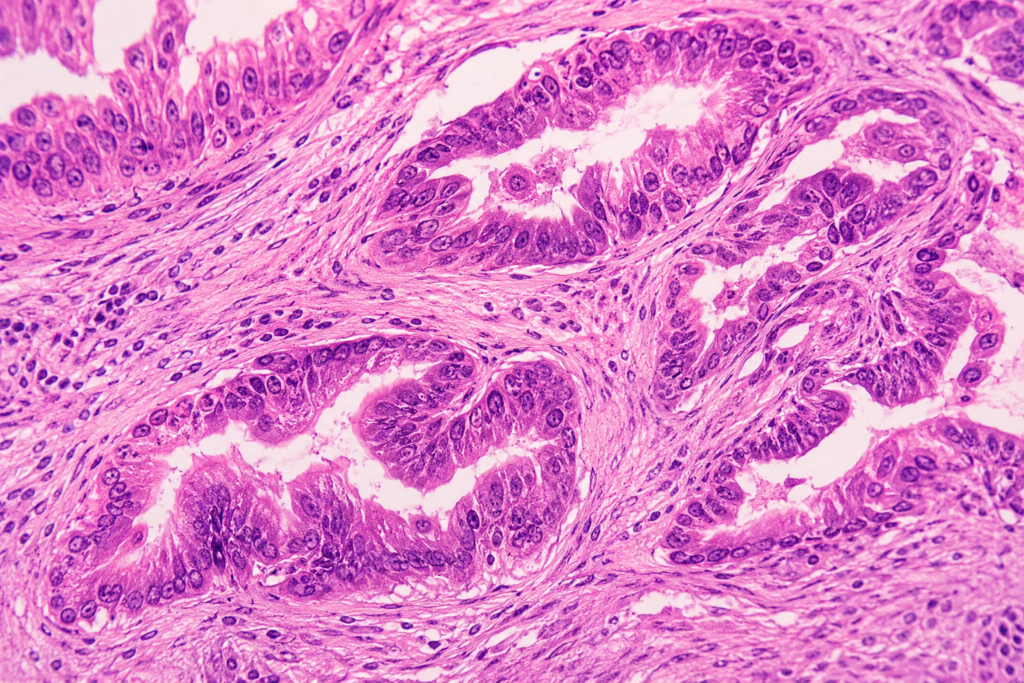
Gallbladder cancer usually begins in the inner lining of the gallbladder and may gradually spread into deeper layers of the gallbladder wall. The most common type is adenocarcinoma, which develops from glandular cells lining the organ. Less common types include squamous cell carcinoma and adenosquamous carcinoma.
One of the main challenges with gallbladder cancer is that it often causes few or no noticeable symptoms in its early stages. When symptoms develop, they may resemble other digestive or gallbladder conditions, such as gallstones or gallbladder inflammation. This can make early recognition difficult.
Possible symptoms include persistent upper abdominal pain, particularly on the right side, nausea, vomiting, loss of appetite, unexplained weight loss, abdominal swelling, and jaundice, which causes yellowing of the skin or whites of the eyes. Jaundice may occur when the tumour obstructs the normal flow of bile.
Gallbladder cancer can sometimes be discovered unexpectedly during investigations or surgery for gallstones or other gallbladder problems. As the cancer progresses, it may invade nearby structures, including the liver and bile ducts, or spread to other parts of the body.
The seriousness of gallbladder cancer depends on its size, location, stage, whether it has spread, and the individual’s general health. Treatment may include surgery, chemotherapy, immunotherapy, radiotherapy, or supportive care, depending on the stage and treatment goals.
Causes
Gallbladder cancer develops when cells in the gallbladder undergo genetic changes that disrupt their normal growth and division. These changes may cause abnormal cells to multiply uncontrollably, forming a malignant tumour that can invade surrounding tissues. The exact cause is often unknown, but several factors are associated with an increased likelihood of developing the disease.
One of the most important contributing factors is long-term inflammation of the gallbladder, particularly when associated with gallstones. Repeated irritation and inflammation may damage the cells lining the gallbladder, increasing the likelihood of abnormal cellular changes over time. However, most people with gallstones or gallbladder inflammation do not develop cancer.
Gallstones are strongly associated with gallbladder cancer. They may obstruct the normal flow of bile and contribute to repeated episodes of inflammation, known as cholecystitis. Long-standing gallstones, particularly larger stones, are associated with greater cancer risk, although gallstones themselves are very common and gallbladder cancer remains rare.
Another contributing factor is porcelain gallbladder, a condition in which calcium deposits develop within the gallbladder wall, often following chronic inflammation. Certain patterns of gallbladder wall calcification have been associated with increased cancer risk, although the degree of risk varies.
Gallbladder polyps may also contribute to cancer development in some cases. Most polyps are benign, but larger polyps, particularly those measuring 10 mm or more, are more concerning because some may contain precancerous or cancerous changes.
Certain conditions affecting the bile ducts and pancreaticobiliary system can increase the likelihood of gallbladder cancer. These include primary sclerosing cholangitis, congenital bile duct abnormalities, and pancreaticobiliary maljunction, where digestive fluids from the pancreas may flow backwards into the biliary system and contribute to chronic irritation.
Long-term infections involving the biliary system may also contribute to chronic inflammation. In some populations, chronic carriage of Salmonella Typhi has been associated with an increased risk of gallbladder cancer, particularly where persistent infection affects the gallbladder.
Other contributing factors include smoking, obesity, increasing age, and family history. Excess body weight may increase the likelihood of gallstone formation and influence metabolic and inflammatory processes, while smoking exposes the body to substances that can contribute to cellular damage. Gallbladder cancer is also more common in women and older adults, although these are risk factors rather than direct causes.
Signs and symptoms
Gallbladder cancer often develops without noticeable symptoms in its early stages, making early detection difficult. When symptoms do appear, they may be vague and resemble common digestive conditions, including gallstones, indigestion, or gallbladder inflammation. Symptoms generally become more apparent as the tumour grows, obstructs bile flow, or spreads to surrounding tissues.
Abdominal pain is one of the most commonly reported symptoms. It usually occurs in the upper right side of the abdomen, beneath the ribs, although discomfort may also be felt in the upper central abdomen. Pain may be persistent or intermittent and can become more pronounced as the disease progresses.
Jaundice is an important clinical sign, particularly when the cancer obstructs the bile ducts and prevents bile from flowing normally into the intestine. This may cause yellowing of the skin and whites of the eyes, dark urine, pale or clay-coloured stools, and generalised itching. Jaundice requires prompt medical assessment because it may indicate significant biliary obstruction.
Nausea, vomiting, and loss of appetite may develop as the condition progresses. Some individuals experience discomfort after eating, a persistent feeling of fullness, or reduced interest in food. These symptoms can interfere with normal dietary intake and contribute to nutritional difficulties.
Unexplained weight loss is another concerning symptom. Individuals may lose weight without deliberately changing their diet or physical activity. This may occur alongside reduced appetite, persistent nausea, and metabolic changes associated with cancer.
Abdominal bloating or swelling may occur, sometimes accompanied by a sensation of fullness or pressure. In more advanced cases, enlargement of the gallbladder, liver involvement, or accumulation of fluid in the abdomen may contribute to visible abdominal distension.
Some individuals may experience persistent fatigue, weakness, or a general feeling of being unwell. These symptoms are non-specific but may occur alongside pain, reduced nutritional intake, weight loss, or more advanced disease.
Clinical examination may occasionally reveal tenderness in the upper right abdomen, an enlarged liver, or a palpable abdominal mass. A distended, non-tender gallbladder accompanied by jaundice may suggest malignant biliary obstruction, although this finding is not specific to gallbladder cancer.
Fever, chills, or a raised body temperature may occasionally occur, particularly when biliary obstruction is complicated by inflammation or infection. These symptoms require careful assessment because they may indicate an acute biliary complication rather than cancer alone.
In advanced disease, bowel obstruction may occasionally develop, causing severe abdominal pain, vomiting, bloating, and an inability to pass stools or wind. This is a medical emergency requiring immediate hospital assessment.
Risk factors
Gallbladder cancer is associated with several genetic, medical, demographic, environmental, and lifestyle-related risk factors. A risk factor increases the likelihood of developing a condition but does not necessarily cause it. Some individuals develop gallbladder cancer without any identifiable risk factors, while many people with recognised risk factors never develop the disease.
Gallstones are among the strongest recognised risk factors for gallbladder cancer. They can cause repeated irritation and inflammation of the gallbladder lining, potentially increasing the likelihood of abnormal cellular changes over time. Larger gallstones and long-standing gallstone disease are associated with greater risk. However, gallstones are common, whereas gallbladder cancer remains relatively rare.
Chronic cholecystitis, or long-term inflammation of the gallbladder, may increase the risk of malignant changes. Repeated inflammation can damage the gallbladder lining and contribute to cellular alterations. Conditions such as porcelain gallbladder, in which calcium deposits develop within the gallbladder wall, may also be associated with increased risk, particularly with certain patterns of calcification.
Gallbladder polyps represent another important consideration. Most polyps are benign, but larger polyps, particularly those measuring 10 mm or more, may have a greater likelihood of containing precancerous or malignant changes. The risk also depends on factors such as the polyp’s appearance, growth, and the individual’s age or underlying medical conditions.
Increasing age is associated with a higher likelihood of gallbladder cancer, with most cases diagnosed in older adults. The condition is also more common in women than men, potentially reflecting differences in gallstone prevalence and hormonal influences.
Obesity and excess body weight may increase the risk of gallbladder cancer, partly because they are associated with gallstone formation and metabolic changes. Maintaining a healthy body weight may help reduce the risk of gallstones and support general metabolic health, although it cannot eliminate the possibility of developing gallbladder cancer.
Smoking is another potentially modifiable risk factor. Tobacco smoke contains carcinogenic substances that may contribute to cellular damage and increase the risk of several cancers, including those affecting the biliary system.
Certain bile duct abnormalities and chronic biliary conditions may also increase risk. These include primary sclerosing cholangitis, choledochal cysts, and pancreaticobiliary maljunction. Such conditions may contribute to prolonged inflammation or abnormal exposure of the gallbladder lining to digestive fluids.
Family history may also influence risk. Individuals with a parent, sibling, or other close relative who has had gallbladder cancer may have an increased likelihood of developing the disease. Nevertheless, most cases are not directly linked to an identifiable inherited cancer syndrome.
Geographical location and population background are additional considerations. Gallbladder cancer occurs more frequently in certain parts of Asia and Latin America, including areas of northern India and Chile. These differences may reflect a combination of genetic susceptibility, gallstone prevalence, chronic infections, environmental exposures, and other factors.
Chronic infections, particularly persistent Salmonella Typhi infection, have been associated with increased gallbladder cancer risk. Long-term bacterial carriage may contribute to inflammation of the gallbladder lining and potentially promote abnormal cellular changes.
Type 2 diabetes and heavy alcohol consumption have also been associated with increased risk in observational research. The relationships may involve metabolic disturbances, gallstones, inflammation, and other contributing factors, although these associations do not establish that either condition directly causes gallbladder cancer.
Types, classifications, stages and grades
Gallbladder cancer can be classified according to the type of cells from which it develops, the extent of tumour growth and spread, and the appearance of cancer cells under a microscope. Understanding these classifications is important because they help healthcare professionals determine the most appropriate treatment, assess disease progression, and estimate prognosis.
1. Types of gallbladder cancer
Adenocarcinoma is the most common type of gallbladder cancer, accounting for approximately 90% or more of cases. It develops from glandular cells lining the inner surface of the gallbladder. Adenocarcinomas may have different microscopic patterns, including papillary, mucinous, and signet-ring cell variants.
Squamous cell carcinoma is a rare type that develops from squamous cells within the gallbladder lining. It may be associated with chronic inflammation and can sometimes behave aggressively.
Adenosquamous carcinoma contains both glandular and squamous cancer cells. It is uncommon and may demonstrate aggressive tumour behaviour.
Neuroendocrine neoplasms are rare tumours arising from cells with neuroendocrine characteristics. They include well-differentiated neuroendocrine tumours and more aggressive neuroendocrine carcinomas.
Other rare malignancies affecting the gallbladder include undifferentiated carcinoma, sarcoma, and lymphoma. These have different biological characteristics and may require different treatment approaches.
2. TNM classification
The TNM staging system describes the anatomical extent of gallbladder cancer and is used to determine its overall stage.
- T (Tumour): Describes how deeply the cancer has invaded the gallbladder wall and whether it has grown into nearby tissues or organs.
- N (Nodes): Indicates whether cancer has spread to nearby lymph nodes.
- M (Metastasis): Indicates whether cancer has spread to distant parts of the body.
The tumour categories range from Tis (carcinoma in situ) to T4, while lymph node involvement is classified as N0, N1, or N2. Distant spread is classified as M0 (absent) or M1 (present).
3. Stages of gallbladder cancer
Gallbladder cancer is divided into stages 0 to IV, according to the depth of tumour invasion, lymph node involvement, and spread to other organs.
| Stage | Description |
|---|---|
| Stage 0 – Carcinoma in situ | Abnormal cancerous cells are confined to the innermost lining of the gallbladder without invasion of deeper tissues. |
| Stage I – Early invasive cancer | Cancer has invaded the connective tissue beneath the lining (T1a) or the muscle layer (T1b), without lymph node involvement or distant spread. |
| Stage IIA | Cancer has grown into connective tissue beyond the muscle layer on the side of the gallbladder facing the abdominal cavity, without spreading beyond the gallbladder. |
| Stage IIB | Cancer has grown into connective tissue beyond the muscle layer on the liver-facing side, without invading the liver itself. |
| Stage IIIA | Cancer has penetrated the outer gallbladder wall or directly invaded the liver or one nearby organ, without regional lymph node involvement. |
| Stage IIIB | Cancer has spread to one to three regional lymph nodes, with a primary tumour classified as T1, T2, or T3, but without distant metastasis. |
| Stage IVA | Cancer has invaded major nearby blood vessels or two or more nearby organs, with no more than three involved regional lymph nodes and no distant metastasis. |
| Stage IVB | Cancer has spread to four or more regional lymph nodes or has metastasised to distant parts of the body, such as the lungs or distant liver sites. |
The higher stages generally indicate more extensive disease, although the exact outlook depends on additional clinical factors. Early-stage disease may be suitable for potentially curative surgery, while advanced disease often requires systemic treatment and supportive care.
4. Grades of gallbladder cancer
Tumour grading describes how closely cancer cells resemble normal gallbladder cells when examined under a microscope. Unlike staging, which describes how far the cancer has spread, grading provides information about the degree of cellular abnormality and possible tumour behaviour.
- Grade 1 – Well-differentiated: Cancer cells resemble normal gallbladder cells relatively closely. These tumours generally tend to grow and spread more slowly.
- Grade 2 – Moderately differentiated: Cancer cells appear more abnormal and have intermediate characteristics between well-differentiated and poorly differentiated tumours.
- Grade 3 – Poorly differentiated: Cancer cells look markedly different from normal cells. These cancers may grow more rapidly and are generally associated with more aggressive behaviour.
Some pathology reports may describe a tumour as undifferentiated, indicating that the cells show little resemblance to normal tissue. Grading conventions may differ for certain rare tumour types.
Complications
Gallbladder cancer can lead to several local, systemic, and potentially life-threatening complications, particularly when the disease is diagnosed at an advanced stage. These complications may result from tumour growth, obstruction of the biliary system, invasion of surrounding organs, or the spread of cancer to other parts of the body. The severity varies according to the cancer’s stage, location, and the individual’s general health.
Biliary obstruction is one of the most significant complications. It occurs when the tumour blocks the normal flow of bile from the liver and gallbladder into the small intestine. This may cause obstructive jaundice, resulting in yellowing of the skin and eyes, dark urine, pale stools, and persistent itching. Prolonged obstruction can interfere with digestion and liver function, sometimes requiring biliary drainage or stent placement.
Cholangitis, an infection of the bile ducts, may develop when bile flow becomes obstructed. Symptoms can include fever, chills, upper abdominal pain, and jaundice. Severe cases may progress to sepsis, a potentially life-threatening response to infection. Suspected cholangitis requires urgent hospital assessment, antibiotics, and sometimes emergency biliary drainage.
Spread to surrounding tissues and organs is another important complication. Because the gallbladder lies directly beneath the liver, cancer may invade adjacent liver tissue, bile ducts, or nearby digestive structures. Advanced local invasion can cause increasing abdominal pain, impaired liver function, and difficulties with normal gastrointestinal activity.
Metastatic disease occurs when cancer cells spread beyond the gallbladder, commonly to the liver, nearby lymph nodes, peritoneum, or more distant organs. This may contribute to progressive weakness, abdominal discomfort, weight loss, and organ-specific complications. The extent of metastatic spread is an important factor in determining treatment options and prognosis.
Ascites, or abnormal accumulation of fluid within the abdominal cavity, may develop in advanced gallbladder cancer, particularly when the disease affects the peritoneum or significantly impairs liver function. Ascites can cause abdominal swelling, discomfort, reduced appetite, early fullness after eating, and sometimes breathing difficulties.
Nutritional deterioration and cancer-related cachexia may occur due to reduced appetite, persistent nausea, digestive difficulties, inflammation, and increased metabolic demands associated with advanced cancer. Individuals may experience unintentional weight loss, muscle wasting, fatigue, and reduced physical strength. These changes can affect treatment tolerance, recovery, and overall quality of life.
Bowel obstruction may occur when an advanced tumour invades or compresses nearby intestinal structures. This can lead to severe abdominal pain, vomiting, abdominal distension, and an inability to pass stools or wind. Complete bowel obstruction is a medical emergency requiring immediate hospital assessment.
Liver dysfunction may develop when cancer extensively invades the liver or obstructs the biliary drainage system. Severe impairment can affect the liver’s ability to process bilirubin, produce essential proteins, and perform normal metabolic functions. In advanced cases, significant liver dysfunction may complicate treatment and worsen prognosis.
Psychological and emotional complications are also important. Individuals may experience anxiety, depression, uncertainty, fear of disease progression, changes in body image, and concerns about treatment, family responsibilities, or life expectancy. Persistent pain, fatigue, loss of independence, and reduced social participation may further affect emotional wellbeing. Psychological counselling, family support, and specialist palliative care can help address these concerns.
Prognosis
The prognosis of gallbladder cancer varies considerably depending on the stage at diagnosis, tumour size, extent of spread, lymph node involvement, possibility of surgical removal, and the individual’s general health. Gallbladder cancer is often associated with an unfavourable prognosis, largely because early-stage disease may produce few noticeable symptoms, resulting in diagnosis only after the cancer has progressed.
Early-stage gallbladder cancer generally has a more favourable prognosis, particularly when the tumour remains confined to the gallbladder and can be completely removed through surgery. Very early cancers discovered incidentally during gallbladder removal for gallstones or other benign conditions may have excellent outcomes, especially when the cancer is limited to the innermost layers of the gallbladder wall.
The prognosis becomes less favourable when cancer invades deeper layers of the gallbladder wall, spreads to nearby lymph nodes, or involves surrounding structures, particularly the liver and bile ducts. These changes may make complete surgical removal more difficult and increase the likelihood of recurrence following treatment.
Advanced or metastatic gallbladder cancer generally carries a poorer prognosis because the disease has spread beyond the original site and is often unsuitable for curative surgery. In these circumstances, systemic treatments such as chemotherapy, immunotherapy, and selected targeted therapies may help control disease progression, relieve symptoms, and prolong survival, although they are not usually curative.
Tumour grade and microscopic characteristics also influence prognosis. Poorly differentiated cancers, in which cells appear markedly abnormal, are often associated with more aggressive behaviour. Other unfavourable features include cancer cells invading blood or lymphatic vessels and the presence of cancer at the surgical margins following tumour removal.
Survival statistics help illustrate the importance of disease stage. According to Cancer Research UK, approximately 30% of people diagnosed with gallbladder cancer in England survive for at least one year, while more than 10% survive for five years or longer. These figures relate to people diagnosed between 2016 and 2020 and do not predict an individual’s outcome. Survival estimates may also change as treatments improve.
Treatment response and overall health are additional prognostic factors. Individuals who are physically well enough to undergo appropriate surgery and other treatments may have better outcomes. For those with advanced disease, supportive and palliative care can help manage pain, jaundice, nutritional difficulties, fatigue, and emotional distress, improving comfort and quality of life.
Regular follow-up after treatment is important because gallbladder cancer may recur, either near the original site or in distant organs. Follow-up may involve clinical examinations, imaging, and blood tests, depending on the individual’s disease stage and treatment history.
Nutritional perspective
Nutrition plays an important supportive role in the management of gallbladder cancer, particularly because the condition and its treatments may affect digestion, appetite, nutrient absorption, body weight, and overall nutritional status. The gallbladder normally stores and concentrates bile, which helps digest and absorb dietary fats. When cancer obstructs bile flow or affects the biliary system, individuals may experience digestive difficulties and an increased risk of malnutrition.
Maintaining adequate energy and protein intake is essential, especially when individuals experience reduced appetite, unexplained weight loss, fatigue, or muscle wasting. Protein-rich foods such as eggs, fish, lean poultry, dairy products, lentils, beans, tofu, and other suitable sources may help support tissue maintenance and recovery. Energy and protein requirements should be assessed individually, particularly during chemotherapy, following surgery, or in advanced disease.
Fat digestion and absorption may become impaired when a tumour obstructs the bile ducts and reduces the amount of bile reaching the small intestine. This can contribute to pale, greasy stools, abdominal discomfort, and poor absorption of fat-soluble vitamins A, D, E, and K. Individuals experiencing these symptoms may require investigation, treatment of the obstruction, and personalised nutritional guidance rather than unnecessary long-term fat restriction.
Smaller, more frequent meals may be helpful for individuals experiencing nausea, early fullness, bloating, or reduced appetite. Easily tolerated foods, appropriate meal timing, and adequate fluid intake may help maintain nutritional intake. However, severely restricting food choices can worsen nutritional deficiencies, particularly when appetite and body weight are already declining.
Maintaining a healthy body weight and preserving muscle mass are important nutritional goals. Unintentional weight loss and cancer-related cachexia may contribute to weakness, reduced treatment tolerance, and poorer quality of life. In individuals experiencing significant weight loss, the immediate priority is often adequate nourishment rather than weight reduction, even when they previously had excess body weight.
Nutritional care during cancer treatment should be adapted to the individual’s symptoms and treatment plan. Chemotherapy may cause nausea, vomiting, taste changes, diarrhoea, or constipation, while surgery involving the gallbladder, liver, or bile ducts may temporarily alter digestion and food tolerance. Dietary adjustments should aim to minimise discomfort while maintaining adequate energy and nutrient intake.
Vitamin and mineral deficiencies may develop when food intake is inadequate or fat absorption is impaired. Particular attention may be needed for fat-soluble vitamins A, D, E, and K in individuals with prolonged biliary obstruction. Supplementation should be based on clinical assessment and medical guidance, since high-dose supplements may cause harm or interact with cancer treatments.
Oral nutritional supplements may be beneficial for individuals who cannot meet their nutritional requirements through ordinary meals. In more severe cases, enteral or parenteral nutritional support may be considered following multidisciplinary assessment. Early nutritional screening and intervention are particularly important for individuals experiencing cancer-related malnutrition or cachexia.
The psychological relationship with food should also be recognised. Fear of digestive symptoms, persistent nausea, changes in taste, emotional distress, and uncertainty about treatment may reduce enjoyment of eating. Supportive dietary counselling, flexible meal planning, family involvement, and compassionate communication can help reduce food-related distress.
Psychological perspective
Gallbladder cancer can have a profound psychological and emotional impact, particularly because it is frequently diagnosed at an advanced stage and may involve complex treatment decisions and uncertainty about prognosis. Individuals may experience shock, fear, anxiety, sadness, anger, helplessness, or emotional distress following diagnosis. The possibility of disease progression, recurrence, or reduced life expectancy may further influence psychological wellbeing.
Anxiety and fear of the future are common concerns among individuals living with cancer. Worries may involve treatment effectiveness, physical deterioration, financial responsibilities, family relationships, and the possibility of death. Some individuals may experience persistent uncertainty, difficulty concentrating, disturbed sleep, or increased emotional sensitivity. These responses can vary throughout the diagnostic, treatment, and follow-up stages.
Depression and low mood may develop as individuals adjust to changes in their health, independence, and daily functioning. Persistent abdominal pain, fatigue, nausea, reduced appetite, weight loss, and physical weakness may limit participation in previously enjoyable activities, contributing to frustration, social withdrawal, or a sense of lost control. However, emotional distress should not automatically be interpreted as a depressive disorder; appropriate assessment is important when symptoms persist or interfere with daily life.
Changes in body image and self-esteem may also affect psychological wellbeing. Jaundice, significant weight loss, muscle wasting, surgical scars, and treatment-related physical changes may alter how individuals perceive their appearance. These changes can influence confidence, intimacy, relationships, and willingness to engage in social activities.
Family relationships and caregiving responsibilities may become additional sources of emotional strain. Individuals may worry about becoming dependent on loved ones, being unable to fulfil family responsibilities, or causing emotional or financial difficulties for others. Family members and caregivers may also experience anxiety, anticipatory grief, exhaustion, and uncertainty about the future.
Psychological support and counselling can help individuals manage the emotional challenges associated with gallbladder cancer. Approaches such as cognitive behavioural therapy (CBT), supportive counselling, relaxation techniques, mindfulness, and stress-management strategies may help reduce distress and improve coping. Psychological interventions should be tailored to the individual’s emotional needs, preferences, physical condition, and stage of treatment.
Open communication and shared decision-making are particularly important when individuals face complex treatment choices. Clear explanations of diagnosis, treatment options, possible side effects, and prognosis can help reduce confusion and support informed decisions. Individuals should be encouraged to express their concerns, ask questions, and participate in care planning according to their preferences.
For individuals with advanced gallbladder cancer, anticipatory grief and end-of-life concerns may become significant psychological challenges. Emotional support should address fears surrounding death, loss of independence, family separation, and unfinished personal responsibilities. Early integration of palliative care can support emotional wellbeing, symptom management, dignity, and quality of life for both individuals and their families.
Routine psychological assessment is an important part of comprehensive cancer care. Persistent low mood, severe anxiety, hopelessness, or difficulties coping with daily life should prompt appropriate assessment and referral to psychological or mental health services. Support may also be provided through specialist cancer nurses, social workers, support groups, and community services.
Homeopathic perspective
From a homeopathic perspective, gallbladder cancer may be approached through individualised, whole-person supportive care, considering the individual’s physical discomfort, emotional wellbeing, general health, and response to the challenges of living with cancer. As gallbladder cancer is a serious malignant condition, homeopathy should not be regarded as a treatment for the cancer itself or as a substitute for evidence-based oncology care, including surgery, chemotherapy, immunotherapy, or other medically indicated interventions.
A homeopathic consultation traditionally considers the individual’s complete symptom picture, rather than focusing solely on the cancer diagnosis. This may include abdominal discomfort, nausea, appetite changes, fatigue, sleep disturbances, sensitivity to temperature, emotional responses, and general wellbeing. These observations form part of classical homeopathic case-taking but do not establish that a homeopathic medicine can treat the tumour or its complications.
Gallbladder cancer may produce significant digestive and biliary symptoms, including abdominal pain, nausea, reduced appetite, jaundice, and itching. Within an integrative care framework, these symptoms should be carefully documented, while recognising that they may indicate biliary obstruction, infection, or disease progression. New or worsening jaundice, severe abdominal pain, or fever requires prompt medical assessment rather than homeopathic management.
The psychological and emotional dimensions of cancer are also important in a homeopathic consultation. Individuals may experience anxiety, fear of disease progression, sadness, uncertainty, changes in confidence, or concerns about their families and future. A compassionate consultation may provide space for individuals to express these experiences, discuss coping difficulties, and identify when professional psychological support would be beneficial.
Traditional homeopathic literature describes remedies such as Chelidonium majus, Lycopodium clavatum, Nux vomica, and Carduus marianus in relation to certain digestive, hepatic, or biliary symptom patterns. These are historical materia medica associations, not evidence that these remedies treat gallbladder cancer, relieve malignant biliary obstruction, or improve cancer outcomes. Remedy selection based on traditional symptom descriptions should not be confused with clinically established anticancer treatment.
Summary
Gallbladder cancer is a rare but potentially serious malignancy that develops when abnormal cells in the gallbladder grow and multiply uncontrollably. The gallbladder is a small organ located beneath the liver that stores and releases bile to support fat digestion. Adenocarcinoma is the most common type of gallbladder cancer, although several less common forms also exist.
The exact cause of gallbladder cancer is not always known, but several factors increase the likelihood of developing the disease. These include gallstones, chronic gallbladder inflammation, gallbladder polyps, certain biliary abnormalities, increasing age, female sex, obesity, smoking, and chronic infections. Although gallstones are strongly associated with gallbladder cancer, most individuals with gallstones do not develop the condition.
Gallbladder cancer often produces few or no symptoms during its early stages, making early diagnosis challenging. As the disease progresses, individuals may experience upper right abdominal pain, jaundice, nausea, vomiting, loss of appetite, unexplained weight loss, fatigue, abdominal swelling, dark urine, pale stools, and itching. Persistent symptoms require medical investigation, while new jaundice or severe abdominal pain accompanied by fever warrants urgent assessment.
Gallbladder cancer is classified according to its histological type, TNM stage, tumour grade, and surgical resectability. Staging describes how far the cancer has spread, while grading indicates how abnormal the cancer cells appear under a microscope. Early-stage cancer may be suitable for potentially curative surgery, whereas advanced disease may require chemotherapy, immunotherapy, selected targeted treatments, and supportive care.
Complications may include biliary obstruction, cholangitis, liver dysfunction, local tissue invasion, metastatic spread, ascites, bowel obstruction, malnutrition, and cancer-related cachexia. These complications may significantly affect physical function, nutritional status, emotional wellbeing, and quality of life.
The prognosis depends primarily on the stage at diagnosis, the possibility of complete surgical removal, lymph node involvement, tumour characteristics, treatment response, and general health. Early detection offers the greatest opportunity for successful treatment, while advanced or metastatic gallbladder cancer is generally associated with a less favourable outlook.
From a nutritional perspective, care focuses on maintaining adequate energy and protein intake, preventing malnutrition, preserving muscle mass, managing digestive symptoms, and supporting nutritional needs during treatment. Individualised dietary advice is particularly important when bile flow is obstructed or treatment affects appetite and digestion.
The psychological perspective recognises the emotional challenges associated with cancer diagnosis, treatment uncertainty, altered physical appearance, fear of disease progression, and concerns about family responsibilities or life expectancy. Counselling, psychological therapies, compassionate communication, family involvement, and palliative support can help individuals manage emotional distress.
From a homeopathic perspective, individualised consultations may provide opportunities for attentive listening and discussion of physical and emotional concerns. However, there is no reliable evidence that homeopathy can treat gallbladder cancer, prevent its progression, or replace established cancer treatment. Any complementary involvement should be coordinated with the oncology team and must not delay essential medical care.
For more Clinical Spotlights across a wide range of conditions, explore The CMA’s medical conditions library.
Reflective Practice – CPD Corner
Take 20 minutes to consider how this article applies to your own practice. Jot down your answers – they form the basis of a valuable CPD entry.
- Spotting the red flags. Gallbladder cancer often hides behind symptoms that look like gallstones or indigestion. Which signs would make you pause and recommend a GP review – persistent right upper abdominal pain, unexplained weight loss, new jaundice, dark urine, pale stools or itching? And which would you treat as same-day urgent, such as jaundice with fever and chills?
- Your intake form. Does your case history ask about gallstones, gallbladder polyps under surveillance, previous gallbladder surgery, jaundice or biliary stents? What one question could you add to make sure these details aren’t missed?
- Working alongside oncology care. If a client is having chemotherapy, immunotherapy or surgery, how do you check that any herbs, supplements or remedies you suggest are safe alongside their treatment? Do you know how to make contact with their medical team, with consent, when you need to?
- Adapting your hands-on or practical work. How would you adapt your sessions for a client with a biliary stent or drain, ascites, a recent surgical wound, jaundice-related itching or marked fatigue? Where are your own limits?
- Food, weight and wellbeing. When a client is losing weight unintentionally, nourishment usually comes before any weight goal. Are there habits in your practice, such as restrictive diets, detoxes or fat-free plans, that could make things harder for a client who is already struggling to eat?
- Words and boundaries. How do you describe your role to a client living with cancer, so they understand you are offering support and comfort alongside their oncology care, not treating the cancer itself? Are you confident your written materials and website say the same?
One change I will make to my practice as a result of this reflection:
______________________________________________
CPD tip: Log the time you spent reading this article and completing these prompts in your CPD record, along with your answers and your “one change”. Return to it in three months and note what difference it has made.
References
- Cancer Research UK. (2026, October 6). Gallbladder cancer. www.cancerresearchuk.org/about-cancer/gallbladder-cancer
- Cleveland Clinic. (2026, August 7). Gallbladder cancer. my.clevelandclinic.org/health/diseases/17013-gallbladder-cancer
- National Cancer Institute. (2025). Gallbladder cancer treatment (PDQ®) – Patient version. www.cancer.gov/types/gallbladder/patient/gallbladder-treatment-pdq
- National Cancer Institute. (2025). Gallbladder cancer treatment (PDQ®) – Health professional version. www.cancer.gov/types/gallbladder/hp/gallbladder-treatment-pdq
- National Health Service. (n.d.). Symptoms of gallbladder cancer. www.nhs.uk/conditions/gallbladder-cancer/symptoms/
- National Institute for Health and Care Excellence. (2015, updated 2026). Suspected cancer: Recognition and referral (NICE guideline NG12). www.nice.org.uk/guidance/ng12
- Vogel, A., & Ducreux, M. (2025). ESMO Clinical Practice Guideline interim update on the management of biliary tract cancer. ESMO Open, 10(1), Article 104003. https://doi.org/10.1016/j.esmoop.2024.104003
About the Author
Amrita Singh is a qualified Homoeopath, Psychologist, and Nutritionist with a multidisciplinary background in psychological wellbeing, nutrition, and complementary healthcare. She holds an MSc in Psychology (UK) and an MSc in Food, Nutrition & Dietetics (India), alongside formal training in classical homoeopathy from the Central College of Homoeopathy, London. She is currently pursuing postgraduate studies with the Irish School of Homoeopathy.
Her professional interests include PTSD, intimacy, and psychosexual health, supported by continuing professional development in sexual health, kink-aware practice, pelvic health, and sexual function. Her recent training includes Understanding Kink with Dominic Davies, for which she completed 3 CPD hours and received a Certificate of Completion.
A Full Member of The Complementary Medical Association (MCMA) and Homoeopathy International (R. Hom. Int.), a Graduate Member of the British Psychological Society, and insured through Balen’s, Amrita brings together psychological understanding, nutritional support, and individualised homoeopathic care within a whole-person approach.
Formerly Head of Department at RMCH&RC, she now works with clients internationally and runs two physical clinics in Meerut City, Uttar Pradesh, and Ambala Cantt., Haryana, India. Her work is centred on compassionate, person-centred care that recognises the interconnected roles of emotional wellbeing, physical health, nutrition, and lifestyle.
Amrita Singh – Homoeopath, Psychologist & Nutritionist
Lic; ISH Advanced Homeopathic Therapeutics (Ireland) | Level 7 Psychology (England) | MSc Food, Nutrition & Dietetics (India)
MCMA | R. Hom. Int. (Balen’s Insured) | GMBPsS
Email: [email protected]
Website: amritasingh.co.uk
Instagram | Facebook
Disclaimer
This article is for educational purposes for practitioners and is not a substitute for medical advice, diagnosis or treatment. Anyone with symptoms that could indicate gallbladder cancer – including persistent abdominal pain, unexplained weight loss or jaundice – should see their GP or a qualified medical professional promptly.