
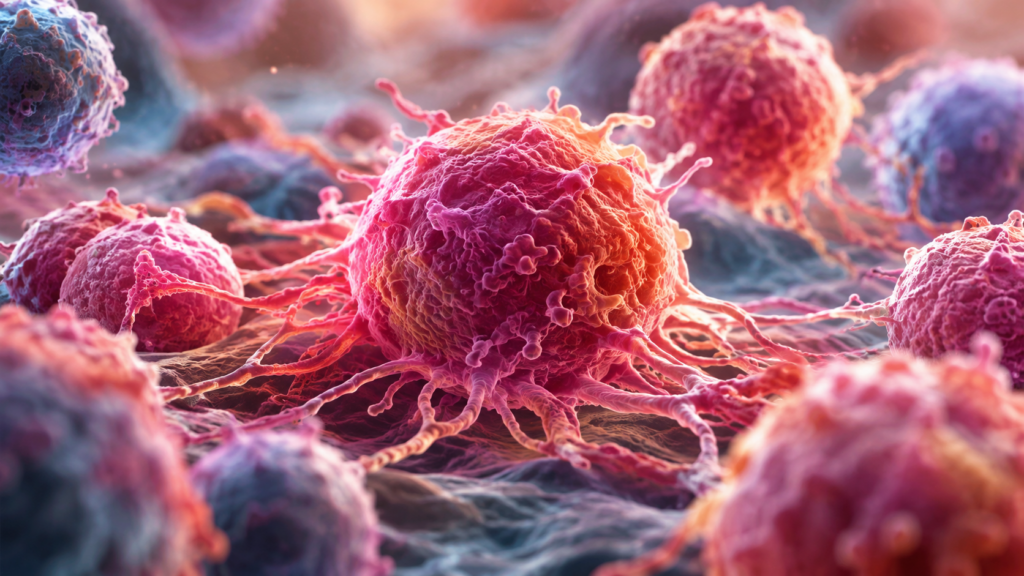
Cancer: CMA Clinical Spotlight by Dr Amrita Singh MCMA
What is cancer?
Cancer is a broad term for a group of diseases in which abnormal cells grow and multiply in an uncontrolled way. These cells can invade nearby tissues and, in some cases, spread to other parts of the body through the blood or lymphatic system (NHS, 2022).
Normally, the body’s cells grow, divide, and die in an organised way. In cancer, this process becomes disrupted. Damaged or abnormal cells may continue to divide when they should not, forming a lump or mass called a tumour. Some cancers, such as leukaemia, do not form solid tumours but affect the blood and bone marrow (Mayo Clinic, 2022).
Tumours may be benign or malignant. Benign tumours are non-cancerous and usually do not spread to other parts of the body. Malignant tumours are cancerous and can invade surrounding tissues or spread to distant organs, a process known as metastasis (WHO, 2025).
Cancer can develop in almost any part of the body. Common types include breast cancer, lung cancer, bowel cancer, prostate cancer, skin cancer, blood cancers, and cancers of the digestive, reproductive, urinary, and nervous systems (NHS, 2022).
Cancer is not one single disease, so symptoms, treatment, and prognosis vary widely depending on the type of cancer, stage at diagnosis, cell changes, general health, and response to treatment. Early recognition, screening where appropriate, timely referral, diagnosis, and specialist care are important for improving outcomes (Mayo Clinic, 2022).
Types
Cancer can be classified in several ways, including by the part of the body where it starts, the type of cell involved, and whether it is a solid tumour or blood cancer. Because cancer is not one single disease, classification helps guide diagnosis, treatment, and prognosis (NHS, 2022).
1. Carcinomas
Carcinomas are cancers that begin in the epithelial cells, which line the skin, organs, and body surfaces. They are among the most common types of cancer and include cancers such as breast cancer, lung cancer, bowel cancer, prostate cancer, and skin cancers (Mayo Clinic, 2022).
2. Sarcomas
Sarcomas begin in connective or supportive tissues, such as bone, muscle, fat, cartilage, blood vessels, or soft tissues. They are less common than carcinomas and may occur in different parts of the body (NHS, 2022).
3. Leukaemias
Leukaemias are cancers of the blood and bone marrow. They usually do not form solid tumours. Instead, abnormal blood cells are produced and can interfere with the normal production and function of healthy blood cells (Mayo Clinic, 2022).
4. Lymphomas
Lymphomas are cancers that begin in the lymphatic system, which is part of the immune system. They commonly affect lymph nodes but may also involve other organs. The two main broad groups are Hodgkin lymphoma and non-Hodgkin lymphoma (NHS, 2022).
5. Myeloma
Myeloma is a cancer that affects plasma cells, a type of white blood cell found in the bone marrow. It can affect bone health, immunity, kidney function, and blood cell production (NCI, 2021).
6. Brain and spinal cord cancers
Cancers of the brain and spinal cord affect the central nervous system. They may be classified according to the type of cell involved, location, grade, and how quickly they are likely to grow (NCI, 2021; Mayo Clinic, 2022).
Cancer may also be described as primary or secondary. A primary cancer is the original cancer where abnormal cell growth first began. Secondary cancer, or metastatic cancer, means cancer cells have spread from the original site to another part of the body (WHO, 2025).
Causes
Cancer develops when cells in the body undergo genetic changes that affect how they grow, divide, repair themselves, and die. Normally, cells follow controlled instructions, but in cancer these controls become disrupted, allowing abnormal cells to multiply in an uncontrolled way (Mayo Clinic, 2022).
These genetic changes may affect genes that control cell growth, DNA repair, and programmed cell death. When damaged cells are not repaired or removed properly, they may continue dividing and form a tumour or, in the case of blood cancers, build up in the blood or bone marrow (NHS, 2022).
The exact cause of cancer is often multifactorial, meaning it may involve a combination of genetic, lifestyle, environmental, infectious, and age-related factors. In many cases, there is no single clear cause (Mayo Clinic, 2022; WHO, 2025).
Lifestyle-related causes and contributors may include smoking, excess alcohol intake, unhealthy diet, physical inactivity, and obesity. These factors can increase the risk of certain cancers by contributing to cell damage, inflammation, hormonal changes, or reduced immune regulation (WHO, 2025; NHS, 2022).
Environmental and occupational exposures may also contribute. These can include ultraviolet radiation from the sun, ionising radiation, asbestos, air pollution, and certain chemicals or workplace substances. Long-term exposure to these factors may damage DNA and increase cancer risk (WHO, 2025).
Some infections can increase the risk of cancer. Examples include human papillomavirus, which is linked with cervical and some other cancers, and hepatitis B or C, which can increase the risk of liver cancer. However, infection-related cancers do not develop in everyone exposed, and vaccination, screening, and treatment can reduce risk (WHO, 2025).
Age is another important factor because genetic changes can accumulate over time. This is why many cancers become more common with increasing age, although cancer can occur at any age (Mayo Clinic, 2022; NHS, 2022).
Inherited genetic changes can also increase the risk of some cancers, although most cancers are not directly inherited. A family history may be relevant when certain cancers occur at younger ages or in several close relatives (Mayo Clinic, 2022).
Risk factors
Several factors may increase the risk of developing cancer, although having a risk factor does not mean a person will definitely develop cancer. Cancer risk is often influenced by a combination of age, lifestyle, environment, infections, inherited factors, and chance genetic changes within cells (Mayo Clinic, 2022).
Age is one of the most important risk factors. Many cancers become more common as people get older because genetic changes can build up in cells over time. However, cancer can still occur at any age, depending on the type and individual circumstances (NHS, 2022; WHO, 2025).
Smoking is a major preventable risk factor for cancer. It is strongly linked with lung cancer and may also increase the risk of cancers of the mouth, throat, bladder, pancreas, kidney, cervix, stomach, and other organs. Exposure to second-hand smoke may also increase risk (WHO, 2025).
Lifestyle factors such as excess alcohol intake, unhealthy diet, physical inactivity, and obesity may increase the risk of several cancers. These factors may contribute through inflammation, hormonal changes, altered metabolism, and effects on immune function (WHO, 2025; Mayo Clinic, 2022).
Ultraviolet radiation from the sun or sunbeds increases the risk of skin cancers. Other environmental or occupational exposures, such as ionising radiation, asbestos, air pollution, and certain chemicals, may also increase cancer risk (WHO, 2025).
Some infections can increase cancer risk. For example, human papillomavirus can increase the risk of cervical and some other cancers, while hepatitis B and C can increase the risk of liver cancer. Vaccination, screening, and treatment can reduce some infection-related cancer risks (WHO, 2025).
A family history or inherited genetic change may increase the risk of certain cancers, although most cancers are not directly inherited. Genetic risk may be more relevant when cancers occur at a younger age, affect several close relatives, or follow a recognised family pattern (Mayo Clinic, 2022).
Other risk factors may include weakened immunity, previous cancer treatment, long-term inflammation, hormonal factors, and exposure to certain medical or environmental radiation.
Signs and symptoms
The signs and symptoms of cancer vary widely depending on the type of cancer, where it develops, how advanced it is, and whether it has spread to other parts of the body. Some cancers cause noticeable symptoms early, while others may develop with few or vague symptoms at first (NHS, 2022; Mayo Clinic, 2022).
General symptoms may include unexplained weight loss, extreme tiredness, persistent fever, night sweats, loss of appetite, or a general feeling of being unwell. These symptoms can occur for many reasons, but when they are persistent, unexplained, or worsening, they should be medically assessed (Mayo Clinic, 2022; WHO, 2025).
Cancer may also cause changes related to a specific area of the body. For example, a person may notice a new lump or swelling, a change in a mole, a sore that does not heal, persistent cough, hoarseness, difficulty swallowing, ongoing indigestion, abdominal pain, bloating, or changes in bowel habit (NHS, 2022).
Bleeding can also be an important warning sign. This may include blood in the urine, blood in the stool, coughing up blood, vomiting blood, bleeding between periods, bleeding after sex, or bleeding after menopause. Unexplained or unusual bleeding should always be assessed promptly (NHS, 2022).
Other possible symptoms include persistent pain, bone pain, headaches, breathlessness, urinary changes, unexplained bruising, repeated infections, or neurological symptoms such as weakness, seizures, or changes in vision or speech, depending on the cancer type and location (Mayo Clinic, 2022).
It is important to remember that these symptoms do not always mean cancer. Many are caused by non-cancerous conditions. However, symptoms that are persistent, unexplained, unusual for the person, worsening, or associated with red flags should be assessed by a healthcare professional so that serious causes can be ruled out and treatment can begin early if needed.
Complications
Cancer can lead to a wide range of complications depending on the type of cancer, location, stage, rate of growth, whether it has spread, and the person’s overall health. Some complications are caused by the cancer itself, while others may be related to investigations, treatment, or the emotional impact of living with the diagnosis (NHS, 2022; Mayo Clinic, 2022).
One major complication is local tissue damage. As cancer grows, it may press on or invade nearby organs, nerves, blood vessels, bones, or soft tissues. This can cause pain, swelling, bleeding, obstruction, reduced organ function, or difficulty with normal activities depending on where the cancer is located (WHO, 2025).
Cancer may also spread to other parts of the body, known as metastasis. When cancer spreads, it can affect distant organs such as the lungs, liver, brain, bones, or lymph nodes. This may lead to symptoms such as breathlessness, jaundice, headaches, seizures, bone pain, fractures, or general decline in health (Mayo Clinic, 2022).
Some cancers can cause weight loss, poor appetite, fatigue, anaemia, infection risk, pain, weakness, and reduced immunity. Blood cancers may particularly affect blood cell production, leading to anaemia, bruising, bleeding, or recurrent infections (NCI, 2021; NHS, 2022).
Cancer treatments may also cause complications. Surgery, chemotherapy, radiotherapy, immunotherapy, hormone therapy, or targeted therapy may lead to side effects such as tiredness, nausea, hair loss, skin changes, mouth ulcers, fertility effects, lymphoedema, nerve symptoms, infection risk, or emotional distress. The exact effects depend on the treatment type and the individual response (Mayo Clinic, 2022; NHS, 2022).
Cancer can also affect psychological and social wellbeing. A diagnosis may cause anxiety, depression, fear of recurrence, body-image concerns, relationship strain, financial stress, work disruption, social withdrawal, and uncertainty about the future. Emotional support is therefore an important part of cancer care.
Prognosis
The prognosis of cancer varies widely depending on the type of cancer, stage at diagnosis, grade, genetic features, location, general health of the individual, and response to treatment. Cancer is not one single disease, so outcomes can be very different from one cancer type to another (Mayo Clinic, 2022).
In general, cancers diagnosed at an earlier stage often have a better prognosis because they may be smaller, more localised, and more treatable. Cancers diagnosed at a later stage, especially when they have spread to distant parts of the body, may be more difficult to treat and may require more complex management (NHS, 2022; NICE, 2015).
The grade of the cancer can also influence prognosis. Low-grade cancers may grow and spread more slowly, while high-grade cancers may behave more aggressively. However, prognosis is never based on grade alone; it is considered alongside stage, cancer type, treatment options, and the person’s overall condition (Mayo Clinic, 2022).
Treatment can improve outcomes by removing, controlling, shrinking, or slowing the cancer, depending on the diagnosis. Options may include surgery, chemotherapy, radiotherapy, immunotherapy, targeted therapy, hormone therapy, stem cell transplant, supportive care, or palliative care. The treatment plan depends on the cancer type, stage, molecular features, general health, and personal preferences (Mayo Clinic, 2022; WHO, 2025).
Some cancers can be cured, especially when found early and treated effectively. Others may be managed as long-term conditions, where treatment aims to control disease, reduce symptoms, maintain function, and support quality of life. In advanced cancer, palliative care can play an important role in comfort, dignity, symptom control, emotional support, and family care.
Nutritional perspective
Nutrition plays an important supportive role in cancer care, as cancer and its treatment can affect appetite, weight, digestion, taste, energy levels, immunity, muscle strength, and overall wellbeing. Nutritional needs vary depending on the type of cancer, stage, treatment plan, symptoms, and the person’s general health (NHS, 2022; Mayo Clinic, 2022).
A balanced diet can help support strength, recovery, immune function, tissue repair, and treatment tolerance. This may include adequate protein from foods such as lentils, beans, eggs, dairy products, fish, lean meat, tofu, nuts, and seeds, along with whole grains, fruits, vegetables, and healthy fats.
Some people with cancer may experience loss of appetite, nausea, vomiting, diarrhoea, constipation, mouth ulcers, swallowing difficulty, taste changes, fatigue, or unintentional weight loss. These symptoms can make eating difficult and may increase the risk of malnutrition, muscle loss, and reduced strength (Mayo Clinic, 2022).
Small, frequent meals may be easier to manage when appetite is low. Soft foods, nourishing drinks, soups, smoothies, or higher-energy meals may be helpful when chewing, swallowing, or maintaining weight becomes difficult. Hydration is also important, especially when there is fever, vomiting, diarrhoea, reduced intake, or treatment-related side effects.
For some cancers and treatments, food safety becomes important, especially if immunity is reduced. Careful food hygiene, safe storage, thorough cooking, and avoiding unsafe foods may help reduce the risk of infection.
Nutritional advice should be individualised, especially where there is weight loss, reduced appetite, bowel symptoms, diabetes, kidney disease, swallowing problems, treatment side effects, or advanced cancer. A dietitian or oncology team can help adapt nutrition to the person’s medical condition and treatment goals.
Homeopathic perspective
From a homeopathic perspective, cancer may be approached with a focus on whole-person support, while recognising that cancer is a serious medical condition requiring appropriate diagnosis, specialist oncology care, treatment, and monitoring. Homeopathic care should be considered complementary and should not replace medical treatment such as surgery, chemotherapy, radiotherapy, immunotherapy, targeted therapy, hormone therapy, or palliative care where needed.
Homeopathic assessment is highly individualised. Attention may be given to the person’s overall vitality, energy levels, appetite, sleep, pain, digestion, treatment side effects, emotional state, fears, family history, constitutional tendencies, and how the person is coping with diagnosis and treatment.
The emotional and psychological aspects of cancer are also important. A diagnosis may bring fear, shock, anxiety, sadness, uncertainty, body-image concerns, relationship strain, or fear of recurrence. A homeopathic consultation may offer space for the person to feel heard and supported in a respectful, compassionate, and non-judgemental way.
Supportive homeopathic care may focus on comfort, resilience, emotional steadiness, treatment tolerance, dignity, and quality of life. This may sit alongside nutritional support, psychological care, rehabilitation, symptom management, rest, gentle movement where appropriate, and family support.
Because cancer can vary widely in type, stage, severity, and prognosis, any new, worsening, persistent, or unexplained symptoms should be medically assessed. Ongoing communication with the oncology team is important, especially during active treatment or when symptoms such as pain, bleeding, infection, weight loss, breathlessness, severe fatigue, or treatment side effects occur.
Psychological perspective
Cancer can have a profound psychological and emotional impact, affecting not only the person diagnosed but also their family, carers, relationships, work, and future planning. A diagnosis may bring feelings of shock, fear, sadness, anger, anxiety, uncertainty, grief, or emotional numbness (NHS, 2022; Mayo Clinic, 2022).
The emotional response may vary depending on the type of cancer, stage, prognosis, treatment plan, symptoms, and personal circumstances. Some individuals may feel overwhelmed by investigations, hospital appointments, treatment decisions, waiting for results, or uncertainty about whether treatment will be successful (NICE, 2015).
Cancer treatment may also affect psychological wellbeing. Surgery, chemotherapy, radiotherapy, immunotherapy, hormone therapy, or targeted therapy may bring side effects such as fatigue, pain, nausea, hair loss, skin changes, fertility concerns, altered body image, sexual difficulties, or reduced independence. These changes may affect confidence, identity, intimacy, mood, and quality of life (Mayo Clinic, 2022; NHS, 2022).
Some people may experience fear of recurrence, especially after treatment has finished. Others may struggle with returning to work, adjusting to physical changes, managing fatigue, or coping with long-term monitoring. In advanced cancer, emotional support may also involve conversations around uncertainty, symptom control, dignity, family communication, and palliative care.
Psychological support may include clear communication, counselling, relaxation techniques, peer support, family support, practical planning, body-image support, sexual wellbeing support, and help with anxiety, depression, trauma, or grief. Support should be compassionate, respectful, and adapted to the person’s stage of care.
Summary
Cancer is a broad group of diseases in which abnormal cells grow and multiply in an uncontrolled way. These cells may invade nearby tissues and, in some cases, spread to other parts of the body through the blood or lymphatic system, a process known as metastasis.
Cancer can develop in almost any part of the body. It may be classified by the tissue or cell type involved, including carcinomas, sarcomas, leukaemias, lymphomas, myeloma, and brain or spinal cord cancers. It may also be described as primary cancer, where it first begins, or secondary/metastatic cancer, where it has spread from the original site.
Cancer develops because of genetic changes within cells that affect normal growth, repair, and cell death. These changes may occur due to ageing, inherited risk, lifestyle factors, environmental exposures, infections, or chance cellular errors. Risk factors include smoking, excess alcohol, obesity, physical inactivity, unhealthy diet, ultraviolet radiation, ionising radiation, asbestos, air pollution, some infections, weakened immunity, and family history.
Signs and symptoms vary depending on the cancer type and location. They may include unexplained weight loss, persistent tiredness, night sweats, fever, new lumps, changes in moles, persistent cough, difficulty swallowing, ongoing indigestion, abdominal pain, bloating, changes in bowel habit, unusual bleeding, persistent pain, urinary changes, or repeated infections. Persistent, unexplained, unusual, or worsening symptoms should be medically assessed.
Cancer may be classified by stage and grade. Staging describes the size of the cancer, lymph node involvement, and whether it has spread, while grading describes how abnormal the cells look and how aggressively they may behave. Prognosis depends on the cancer type, stage, grade, genetic features, general health, and response to treatment.
A comprehensive approach includes early recognition, screening where appropriate, timely referral, specialist cancer treatment, nutritional support, psychological care, rehabilitation, symptom control, palliative care when needed, and compassionate whole-person support. Cancer care should address not only the disease itself, but also the person’s physical comfort, emotional wellbeing, dignity, confidence, relationships, and quality of life.
Reflective Practice – CPD Corner
Take a few minutes to reflect on the following, and record your answers in your CPD log:
- If a client mentioned unexplained weight loss, a new lump, a change in a mole, persistent hoarseness or unusual bleeding, would I recognise these as possible red flags – and exactly what would I say to encourage them to see their GP promptly, without alarming them unnecessarily?
- Does my intake form ask whether a client is currently having, or has recently had, cancer treatment – and do I understand how chemotherapy, radiotherapy, surgery or lymph node removal might change what I do, from pressure and positioning to infection control and skin care?
- Am I confident about which herbs, supplements or dietary changes could interact with cancer treatment, and do I always encourage clients to discuss anything they are taking with their oncology team?
- How do I describe my work with clients affected by cancer – on my website, in my marketing and in conversation – so that it is clearly supportive and complementary, never presented as a treatment for cancer itself?
- How would I respond if a client told me they were thinking of declining or stopping their conventional treatment – and how do I respect their autonomy while making sure they have the full picture from their medical team?
- When a client brings fear, grief or fear of recurrence into the treatment room, where are the edges of my competence, and who would I refer them to for specialist psychological or palliative support?
One change I will make to my practice as a result of reading this article: ______________________________
CPD tip: Reading this article and completing this reflection counts towards your annual CPD. Log your time and your answers in the Membership Portal, and keep a copy for your records.
Want to take your knowledge further?
The CMA Certification in Integrative Oncology is our advanced professional course for complementary and integrative health practitioners. It gives you an in-depth understanding of how cancer develops and the treatment options available, so you can support clients with confidence and work alongside their medical team. It’s online and self-paced, so you can start whenever suits you.
References
- Mayo Clinic (2022) Cancer – symptoms and causes. Available at: www.mayoclinic.org/diseases-conditions/cancer/symptoms-causes/syc-20370588
- National Cancer Institute (NCI) (2021) What is cancer? Available at: www.cancer.gov/about-cancer/understanding/what-is-cancer
- NHS (2022) Cancer. Available at: www.nhs.uk/conditions/cancer/
- National Institute for Health and Care Excellence (NICE) (2015) Suspected cancer: recognition and referral (NG12). Available at: www.nice.org.uk/guidance/ng12
- World Health Organization (WHO) (2025) Cancer [fact sheet]. Available at: www.who.int/news-room/fact-sheets/detail/cancer
Further Reading
You can read more about a wide variety of conditions, remedies, and therapies in the “Learn About” section here on this website. To learn about conditions, visit this link first.
About the Author
Dr Amrita Singh MCMA is a Homoeopath, Psychologist and Nutritionist. She runs two clinics in India and works with clients internationally. Find out more at www.amritasingh.co.uk.
Disclaimer
This article is for educational purposes for practitioners and is not a substitute for medical advice, diagnosis or treatment. Anyone with symptoms that could indicate cancer should see their GP or a qualified medical professional promptly.