
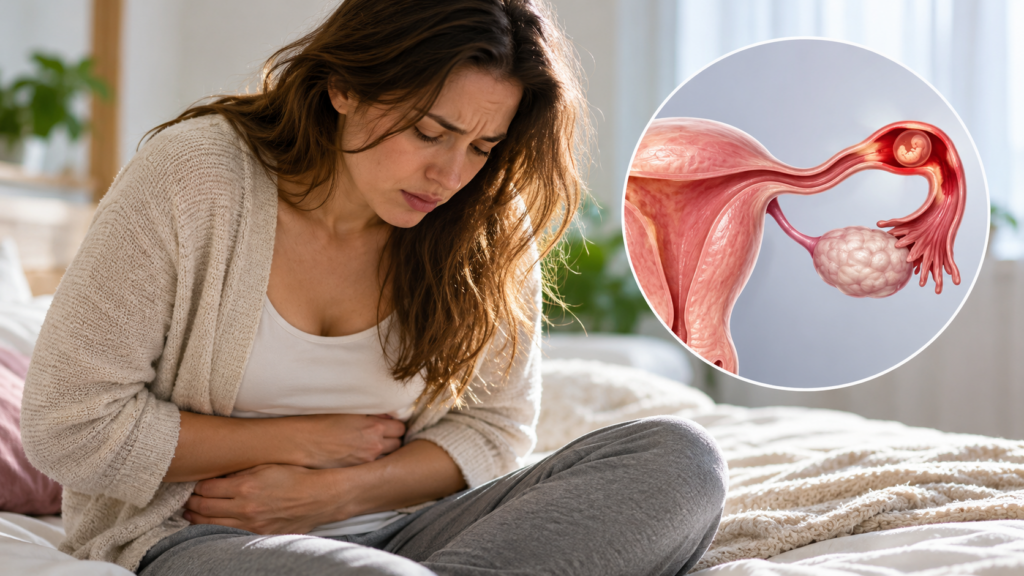
Ectopic Pregnancy – Clinical Spotlight by Dr Amrita Singh MCMA
What is ectopic pregnancy?
Ectopic pregnancy is a pregnancy that develops outside the womb/uterus. In most cases, the fertilised egg implants in one of the fallopian tubes, which are the tubes that connect the ovaries to the uterus. This is sometimes called a tubal pregnancy (NHS, 2022; Mayo Clinic, 2022).
In a normal pregnancy, the fertilised egg travels through the fallopian tube and implants in the lining of the uterus, where there is enough space and support for the pregnancy to develop. In an ectopic pregnancy, the pregnancy implants in a place that cannot safely support its growth (Cleveland Clinic, 2023; RCOG, 2019).
Ectopic pregnancy is a serious condition because the growing pregnancy can stretch and damage the fallopian tube or surrounding tissue. If the tube ruptures, it can cause internal bleeding, which may become life-threatening and needs emergency medical care (NHS, 2022; The Ectopic Pregnancy Trust, n.d.).
Symptoms may include one-sided lower abdominal pain, vaginal bleeding, shoulder-tip pain, dizziness, fainting, or pain when passing urine or opening the bowels. However, some people may have mild symptoms at first, and the condition may only be found during early pregnancy assessment (NHS inform, 2025; Mayo Clinic, 2022).
An ectopic pregnancy cannot continue as a normal pregnancy and requires medical assessment and management. Treatment may include careful monitoring, medicine, or surgery, depending on symptoms, scan findings, pregnancy hormone levels, and whether there is bleeding or rupture risk (The Ectopic Pregnancy Trust, n.d.; RCOG, 2019).
Causes
Ectopic pregnancy occurs when a fertilised egg implants outside the uterus, most commonly in the fallopian tube. This can happen when the movement of the fertilised egg through the fallopian tube is delayed or blocked, preventing it from reaching the uterus at the expected time (NHS, 2022; Mayo Clinic, 2022).
One important cause is damage or scarring of the fallopian tubes. This may occur after previous infection, inflammation, pelvic inflammatory disease, or surgery involving the fallopian tubes or pelvis. Scarring can narrow the tube or affect its normal movement, increasing the chance of implantation in the tube (Cleveland Clinic, 2023; RCOG, 2019).
A previous ectopic pregnancy can also increase the likelihood of another ectopic pregnancy. This may be due to underlying tubal damage, previous surgery, or other factors affecting the normal passage of the fertilised egg (NHS, 2022; The Ectopic Pregnancy Trust, n.d.).
Some ectopic pregnancies may be linked with fertility treatment, previous tubal surgery, or pregnancy occurring while using certain contraceptive methods, such as an intrauterine device, or after sterilisation failure. Although pregnancy is less likely with these methods, if it does occur, the chance of it being ectopic may be higher (NHS inform, 2025; Mayo Clinic, 2022).
Smoking may also increase risk because it can affect the function of the fallopian tubes and the movement of the fertilised egg. Increasing age may also be associated with higher risk in some individuals (RCOG, 2019; Cleveland Clinic, 2023). In some cases, no clear cause is found.
Signs and symptoms
The signs and symptoms of ectopic pregnancy can vary. Some people may have mild symptoms at first, while others may develop sudden severe symptoms if bleeding or rupture occurs. Symptoms usually appear between weeks 4 and 12 of pregnancy, although timing can vary (NHS, 2022; Mayo Clinic, 2022).
Common symptoms may include one-sided lower abdominal pain, pelvic pain, and vaginal bleeding. The bleeding may be different from a normal period and can be lighter, heavier, darker, or more irregular (NHS, 2022; RCOG, 2019).
Some people may experience pain in the tip of the shoulder, which can happen when internal bleeding irritates the diaphragm. There may also be discomfort when passing urine or opening the bowels, as well as diarrhoea, dizziness, weakness, or feeling faint (NHS inform, 2025; Cleveland Clinic, 2023).
If the fallopian tube ruptures, symptoms can become severe and may include sudden intense abdominal or pelvic pain, collapse, fainting, severe dizziness, pale or clammy skin, rapid heartbeat, and signs of shock. This is a medical emergency and requires urgent hospital care (NHS, 2022; The Ectopic Pregnancy Trust, n.d.).
Some individuals may not have obvious symptoms initially, and ectopic pregnancy may be found during early pregnancy scans or blood tests. Because symptoms can overlap with miscarriage, urinary infection, gastrointestinal problems, or normal early pregnancy discomfort, medical assessment is important when pain or bleeding occurs in early pregnancy (The Ectopic Pregnancy Trust, n.d.; RCOG, 2019).
Risk factors
Several factors can increase the risk of ectopic pregnancy, although it is important to remember that it can also occur in people with no known risk factors. NICE advises that ectopic pregnancy should still be considered in early pregnancy pain or bleeding even when risk factors are absent (The Ectopic Pregnancy Trust, n.d.).
A previous ectopic pregnancy increases the chance of another ectopic pregnancy in the future. This may be linked with underlying fallopian tube damage or previous reproductive health factors (NHS, 2022; RCOG, 2019).
Damage or scarring of the fallopian tubes is an important risk factor. This may occur after pelvic inflammatory disease, previous infection, previous fallopian tube surgery, or sterilisation procedures, as scarring can affect the normal movement of the fertilised egg towards the uterus (NHS, 2022; RCOG, 2019).
Fertility treatment, such as IVF or assisted conception, may also increase the risk of ectopic pregnancy. Pregnancy that occurs while using an intrauterine device or intrauterine system is rare, but if it does happen, the chance of it being ectopic is higher (NHS, 2022; RCOG, 2019).
Smoking is another recognised risk factor, as it may affect the function of the fallopian tubes and the movement of the fertilised egg. Increasing age, particularly being over 35, may also be associated with higher risk (NHS, 2022; RCOG, 2019).
Complications
Ectopic pregnancy can cause serious complications because the pregnancy develops outside the uterus, most commonly in the fallopian tube. The fallopian tube cannot safely support the growth of a pregnancy, so as the pregnancy grows it may stretch and damage the tube (NHS, 2022; RCOG, 2019).
The most serious complication is rupture of the fallopian tube. If the tube ruptures, it can cause internal bleeding, which may become life-threatening without urgent treatment. Symptoms may include sudden severe abdominal or pelvic pain, shoulder-tip pain, dizziness, fainting, collapse, pale or clammy skin, or signs of shock (NHS, 2022; The Ectopic Pregnancy Trust, n.d.).
Ectopic pregnancy may also cause significant blood loss, which can lead to weakness, low blood pressure, rapid heartbeat, fainting, or emergency hospital admission. This is why early pregnancy pain or bleeding should be assessed promptly (Mayo Clinic, 2022; Cleveland Clinic, 2023).
Another complication is the possible loss or damage of the affected fallopian tube, especially if surgery is needed or if rupture has occurred. This may affect future fertility, although many people can still become pregnant naturally after an ectopic pregnancy, depending on the health of the remaining tube and other reproductive factors (RCOG, 2019; NHS inform, 2025).
There is also an increased risk of having another ectopic pregnancy in the future. For this reason, early medical assessment is usually advised in any future pregnancy, especially if there is pain, bleeding, or previous ectopic pregnancy history (NHS, 2022; RCOG, 2019).
Ectopic pregnancy can also have a significant emotional impact. It involves pregnancy loss and may bring shock, grief, fear, trauma, anxiety about future pregnancy, and distress for the individual and their partner.
Types, stages and classifications
Ectopic pregnancy is not usually staged in the same way as cancer or progressive chronic diseases. It is more commonly classified according to location, clinical stability, scan findings, pregnancy hormone levels, and whether rupture has occurred (The Ectopic Pregnancy Trust, n.d.; RCOG, 2019).
1. Tubal ectopic pregnancy
This is the most common type of ectopic pregnancy. It occurs when the fertilised egg implants in one of the fallopian tubes rather than the uterus. As the tube cannot safely support the pregnancy, there is a risk of tube rupture and internal bleeding if the condition is not recognised and managed (NHS, 2022; Mayo Clinic, 2022).
2. Non-tubal ectopic pregnancy
Less commonly, an ectopic pregnancy may occur outside the fallopian tube, such as in the ovary, cervix, abdomen, or within the scar from a previous caesarean section. These are rarer and require specialist assessment and management (RCOG, 2019; Cleveland Clinic, 2023).
3. Unruptured ectopic pregnancy
An unruptured ectopic pregnancy means the pregnancy has been identified before the fallopian tube or surrounding tissue has ruptured. Depending on symptoms, scan findings, pregnancy hormone levels, and general stability, management may involve monitoring, medicine, or surgery (The Ectopic Pregnancy Trust, n.d.; RCOG, 2019).
4. Ruptured ectopic pregnancy
A ruptured ectopic pregnancy occurs when the growing pregnancy causes the fallopian tube or surrounding tissue to tear. This can lead to internal bleeding, severe pain, dizziness, fainting, collapse, and shock. It is a medical emergency requiring urgent hospital care (NHS, 2022; The Ectopic Pregnancy Trust, n.d.).
5. Pregnancy of unknown location
Sometimes, a pregnancy test is positive, but an ultrasound scan does not yet show whether the pregnancy is inside or outside the uterus. This is called a pregnancy of unknown location. Follow-up with repeat blood tests and scans is needed until the pregnancy location is confirmed or the situation resolves (The Ectopic Pregnancy Trust, n.d.; RCOG, 2019).
6. Clinically stable or unstable ectopic pregnancy
Ectopic pregnancy may also be described according to whether the person is clinically stable or unstable. A stable person may have mild or moderate symptoms and normal observations, while an unstable person may show signs of internal bleeding or shock, such as fainting, low blood pressure, severe pain, or collapse. Clinical instability requires emergency care (NHS, 2022; Cleveland Clinic, 2023).
Prognosis
The prognosis of ectopic pregnancy depends on how early it is diagnosed, whether rupture has occurred, the person’s clinical stability, pregnancy hormone levels, scan findings, treatment method, and overall reproductive health. When recognised early and managed promptly, serious complications can often be prevented (The Ectopic Pregnancy Trust, n.d.; RCOG, 2019).
If an ectopic pregnancy is diagnosed before rupture, treatment may involve expectant management, medicine, or surgery, depending on the individual situation. Early treatment can reduce the risk of internal bleeding and may help preserve future fertility where possible (The Ectopic Pregnancy Trust, n.d.; NHS, 2022).
The outlook becomes more serious if the ectopic pregnancy ruptures, as this can cause internal bleeding, shock, and the need for emergency surgery. Prompt emergency care is essential in cases of sudden severe pain, fainting, collapse, shoulder-tip pain, or signs of significant bleeding (NHS, 2022; Mayo Clinic, 2022).
Future fertility varies between individuals. Many people can become pregnant again after an ectopic pregnancy, especially if the other fallopian tube is healthy. However, there may be a higher risk of another ectopic pregnancy in the future, so early assessment is usually advised in any subsequent pregnancy (RCOG, 2019; NHS inform, 2025).
The emotional prognosis is also important. Ectopic pregnancy involves pregnancy loss and can be physically frightening, especially if emergency treatment is needed. Some individuals may experience grief, anxiety, trauma, fear about future pregnancy, or loss of confidence in their body.
Nutritional perspective
Nutrition cannot treat or resolve an ectopic pregnancy, as this is a medical condition that requires urgent assessment and appropriate management. However, nutritional care can play a supportive role in helping the body recover after treatment, blood loss, surgery, medicine, or emotional stress (NHS, 2022; The Ectopic Pregnancy Trust, n.d.).
After an ectopic pregnancy, the body may need support for healing, energy, blood recovery, and overall strength. A balanced diet including adequate protein, whole grains, fruits, vegetables, healthy fats, and fluids may help support tissue repair and general recovery.
If there has been bleeding or surgery, attention may be given to nutrients that support blood health, such as iron, vitamin B12, folate, and vitamin C. Iron-rich foods may include lentils, beans, green leafy vegetables, eggs, fish, poultry, and lean meat, while vitamin C-rich foods may support iron absorption.
Hydration is also important, especially after hospital treatment, anaesthesia, blood loss, vomiting, reduced appetite, or emotional distress. Small, regular meals may be easier to manage if the person feels weak, nauseous, or overwhelmed.
Nutritional support should be individualised, particularly if the person has anaemia, heavy bleeding, poor appetite, nausea, fertility treatment history, surgery, medication use, or another medical condition. Any supplements should be discussed with the healthcare team, especially after medical or surgical management.
Homeopathic perspective
From a homeopathic perspective, ectopic pregnancy should be approached with great care, recognising that it is a serious medical condition that requires urgent assessment, monitoring, and appropriate medical or surgical management. Homeopathic care should only be considered as complementary support and should never replace emergency or specialist care in suspected or confirmed ectopic pregnancy.
Homeopathic assessment may consider the individual’s physical, emotional, and constitutional picture, especially after diagnosis or treatment. Attention may be given to pain, bleeding, weakness, shock, fear, grief, sleep, appetite, anxiety, trauma, and the person’s overall recovery after medical management, methotrexate treatment, or surgery.
Because ectopic pregnancy involves pregnancy loss and can be physically frightening, the emotional experience is especially important. The person may feel grief, sadness, guilt, fear, anger, anxiety about future pregnancy, or loss of trust in their body. A homeopathic consultation may offer a supportive space where these feelings are acknowledged with sensitivity and compassion.
Supportive homeopathic care may focus on emotional steadiness, recovery, resilience, comfort, and whole-person wellbeing after appropriate medical treatment. This may sit alongside nutritional support, rest, follow-up blood tests, early pregnancy monitoring in future pregnancies, counselling, partner support, and compassionate reproductive care.
Symptoms such as sudden severe abdominal or pelvic pain, shoulder-tip pain, dizziness, fainting, collapse, heavy bleeding, pale or clammy skin, or signs of shock should be treated as a medical emergency.
Psychological perspective
Ectopic pregnancy can have a significant psychological and emotional impact, as it involves both a medical emergency risk and the loss of a pregnancy. The experience may bring feelings of shock, fear, sadness, grief, anger, guilt, confusion, or emotional numbness, especially when diagnosis and treatment happen suddenly (NHS, 2022; RCOG, 2019).
The uncertainty around symptoms, scans, pregnancy hormone levels, treatment choices, and possible surgery can feel overwhelming. Some individuals may also feel frightened by pain, bleeding, hospital admission, or the risk of rupture and internal bleeding (The Ectopic Pregnancy Trust, n.d.; Mayo Clinic, 2022).
Emotional distress may continue after treatment. The person may grieve the pregnancy, feel anxious about physical recovery, or worry about future fertility and the possibility of another ectopic pregnancy. This can affect confidence, sleep, mood, relationships, intimacy, and trust in the body (RCOG, 2019; NHS inform, 2025).
Partners and family members may also be affected, particularly if the ectopic pregnancy involved emergency care, surgery, or uncertainty about future pregnancy. Compassionate communication and emotional support are therefore important parts of care.
Psychological support may include clear information, reassurance, grief support, counselling, partner support, trauma-informed care, and early pregnancy support in future pregnancies. It is important to validate the pregnancy loss and avoid minimising the emotional impact simply because the pregnancy was early.
Summary
Ectopic pregnancy is a pregnancy that develops outside the uterus, most commonly in one of the fallopian tubes. Because the fallopian tube cannot safely support a growing pregnancy, an ectopic pregnancy cannot continue as a normal pregnancy and requires medical assessment and management.
It may occur when the movement of the fertilised egg through the fallopian tube is delayed or blocked. Possible causes and contributing factors include fallopian tube damage, pelvic inflammatory disease, previous infection, previous ectopic pregnancy, previous tubal or pelvic surgery, fertility treatment, pregnancy with an IUD/IUS in place, smoking, and increasing maternal age.
Signs and symptoms may include one-sided lower abdominal pain, pelvic pain, vaginal bleeding, shoulder-tip pain, dizziness, fainting, bowel or urinary discomfort, and sudden severe pain if rupture occurs. Some people may have mild symptoms initially, while others may present suddenly with signs of internal bleeding.
Ectopic pregnancy may be classified by location, rupture status, clinical stability, and diagnostic certainty. The main classifications include tubal ectopic pregnancy, non-tubal ectopic pregnancy, unruptured ectopic pregnancy, ruptured ectopic pregnancy, pregnancy of unknown location, and clinically stable or unstable presentation.
Complications may include fallopian tube rupture, internal bleeding, shock, emergency surgery, loss or damage of the fallopian tube, reduced fertility, increased risk of future ectopic pregnancy, and emotional distress. Sudden severe pain, shoulder-tip pain, dizziness, fainting, collapse, heavy bleeding, pale or clammy skin, or signs of shock require emergency medical care.
The prognosis is generally better with early diagnosis, timely treatment, appropriate follow-up, and emotional support. Many people can become pregnant again after an ectopic pregnancy, although early monitoring is advised in future pregnancies because the risk of recurrence may be higher. A comprehensive approach includes medical treatment, physical recovery support, nutritional care, psychological support, partner support, and compassionate whole-person care.
If you are looking for compassionate, qualified support alongside your medical care – whether nutritional, homeopathic, psychological or another discipline – you can search the CMA Practitioner directory or meet our senior Practising Fellows. Not sure which approach is right for you? Our guide on how to choose the right complementary therapy for you is a helpful place to start. You can also explore more Clinical Spotlights and condition guides in our medical conditions library.
Reflective Practice – CPD
Take 20–30 minutes to reflect on how this Clinical Spotlight relates to your own practice, whatever your discipline.
- If a client of reproductive age mentioned one-sided lower abdominal pain, unusual bleeding or shoulder-tip pain, would it occur to me to ask whether she could be pregnant – even if she had not raised it herself, was using an IUD or IUS, or had been sterilised?
- Do I know which symptoms call for prompt medical assessment and which call for emergency services (999 in the UK) – sudden severe pain, fainting, collapse, pale or clammy skin – and could I act on that without hesitation if it happened in my treatment room?
- Does my intake ask about possible pregnancy, previous ectopic pregnancy, pelvic inflammatory disease, fertility treatment and contraception – and how would those answers change what I offer, for example abdominal work, or any herb or supplement?
- How do I make sure my support always sits alongside, never instead of, the client’s medical team – including during monitoring or medical management, when follow-up blood tests and appointments matter so much?
- How do I respond to someone grieving an early pregnancy loss? Do I ever, even unintentionally, use phrases that minimise it, such as “at least it was early” or “you can try again” – and how might I acknowledge both the loss and the frightening medical experience?
- When a client who has had an ectopic pregnancy becomes pregnant again, or when a partner is struggling, how would I support their anxiety – and do I have an up-to-date list of specialist counselling and support services to signpost?
One change I will make to my practice as a result of this reflection: ____________________________________________
CPD tip: Log the time you spend reading this article and working through these questions in your CPD record, together with the date and your written reflections. Your notes are valuable evidence of reflective learning.
References
Cleveland Clinic. (2023, 18 January). Ectopic pregnancy: Symptoms, causes, treatments & tests. https://my.clevelandclinic.org/health/diseases/9687-ectopic-pregnancy
Mayo Clinic. (2022, 12 March). Ectopic pregnancy – Symptoms and causes. https://www.mayoclinic.org/diseases-conditions/ectopic-pregnancy/symptoms-causes/syc-20372088
NHS. (2022, 23 August). Ectopic pregnancy – Overview. https://www.nhs.uk/conditions/ectopic-pregnancy/
NHS inform. (2025, 5 February). Ectopic pregnancy. https://www.nhsinform.scot/illnesses-and-conditions/pregnancy-and-childbirth/losing-a-baby/ectopic-pregnancy/
RCOG. (2019). Ectopic pregnancy. Royal College of Obstetricians and Gynaecologists. https://www.rcog.org.uk/for-the-public/browse-our-patient-information/ectopic-pregnancy/
The Ectopic Pregnancy Trust. (n.d.). What is an ectopic pregnancy? Retrieved 19 September 2026, from https://ectopic.org.uk/what-is-an-ectopic-pregnancy
About the Author
Amrita Singh is a qualified Homoeopath, Psychologist and Nutritionist with a multidisciplinary background in psychological wellbeing, nutrition and complementary healthcare. She holds an MSc in Psychology (UK) and an MSc in Food, Nutrition & Dietetics (India), alongside formal training in classical homoeopathy from the Central College of Homoeopathy, London. She is currently pursuing postgraduate studies with the Irish School of Homoeopathy.
Her professional interests include PTSD, intimacy and psychosexual health, supported by continuing professional development in sexual health, kink-aware practice, pelvic health and sexual function.
A Full Member of The Complementary Medical Association (MCMA) and Homoeopathy International (R. Hom. Int.), a Graduate Member of the British Psychological Society, and insured through Balens, Amrita brings together psychological understanding, nutritional support and individualised homoeopathic care within a whole-person approach.
Formerly Head of Department at RMCH&RC, she now works with clients internationally and runs two physical clinics in Meerut City, Uttar Pradesh, and Ambala Cantt., Haryana, India. Her work is centred on compassionate, person-centred care that recognises the interconnected roles of emotional wellbeing, physical health, nutrition and lifestyle.
Amrita Singh
Homoeopath, Psychologist & Nutritionist
Lic; ISH Advanced Homeopathic Therapeutics (Ireland) | Level 7 Psychology (England) | MSc Food, Nutrition & Dietetics (India)
MCMA | R. Hom. Int. (Balens Insured) | GMBPsS
Email: [email protected]
Website: amritasingh.co.uk
Instagram: @best_doctor.uk2025
Facebook: Amrita Singh on Facebook
United Kingdom