
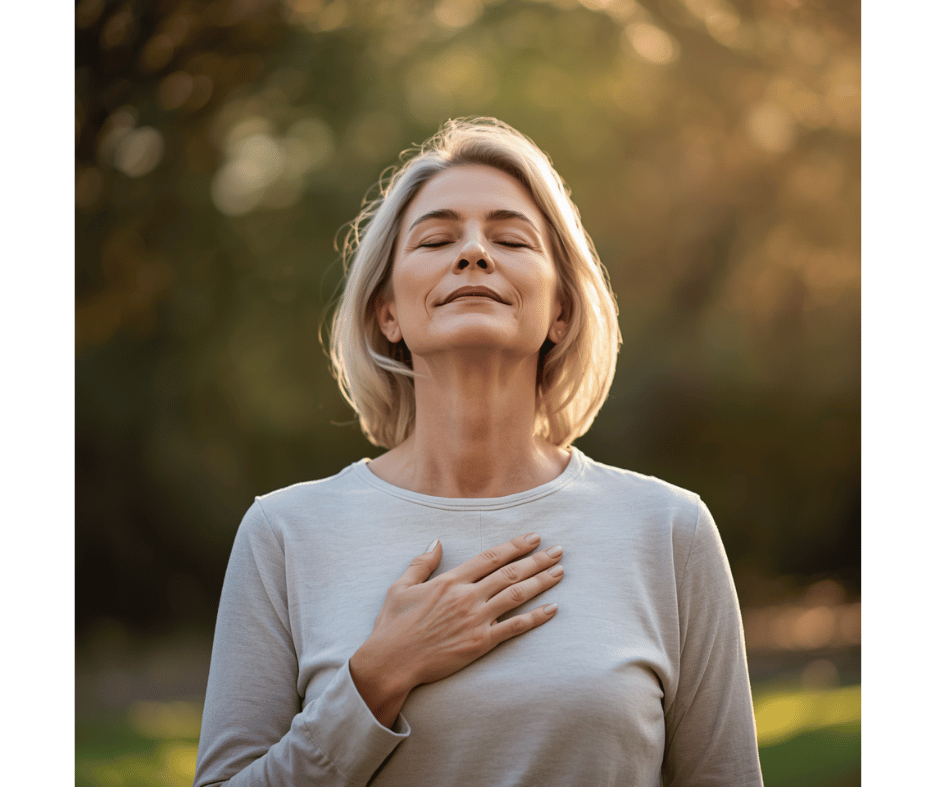
Anxiety – CMA Clinical Spotlight by Dr. Amrita Singh
Anxiety is a natural emotional and physical response to stress, uncertainty, or perceived danger. It can involve feelings of worry, fear, nervousness, or unease, often accompanied by physical symptoms such as a racing heart, sweating, trembling, muscle tension, restlessness, or difficulty sleeping (NHS, 2021).
In everyday life, anxiety can be helpful because it alerts the body to potential threats and prepares a person to respond. However, anxiety becomes a concern when it is persistent, excessive, difficult to control, or disproportionate to the situation, and begins to interfere with daily functioning, relationships, work, study, sleep, or overall wellbeing (Mayo Clinic, 2025).
Anxiety may occur as a short-term response to a stressful event, or it may form part of an anxiety disorder, such as generalised anxiety disorder, panic disorder, social anxiety disorder, phobias, or separation anxiety disorder. These conditions can vary in severity and may affect thoughts, emotions, behaviour, and physical health (Cleveland Clinic, 2024).
Although anxiety can feel overwhelming, it is common and manageable with appropriate support. Understanding triggers, developing coping strategies, and seeking professional help when anxiety affects daily life can improve quality of life and emotional resilience (WHO, 2025).
Complementary Medical Association CPD
This article is valued at one hour of CMA CPD. Please see the reflective practice exercises at the end of the article and remember to log in to your CMA Membership portal in order to be able to keep a record of your CPD activities.
Causes
Anxiety can develop from a combination of biological, psychological, social, and environmental factors. It is not usually caused by one single factor; rather, several influences may interact over time and increase a person’s vulnerability to anxious thoughts, physical symptoms, and avoidance behaviours (NHS, 2021; WHO, 2025).
One important cause is the body’s natural stress response. When the brain perceives danger or uncertainty, it activates the “fight-or-flight” system, releasing stress hormones that prepare the body to respond. This can cause symptoms such as a racing heart, sweating, trembling, muscle tension, and rapid breathing. In anxiety disorders, this response may become overactive or occur even when there is no immediate danger (Mayo Clinic, 2025).
Genetic and biological factors may also contribute. People with a family history of anxiety disorders or other mental health conditions may be more likely to experience anxiety. Differences in brain chemistry, nervous system sensitivity, and emotional regulation may also influence how strongly a person responds to stress (Cleveland Clinic, 2024).
Psychological factors can play a significant role. Low self-esteem, perfectionism, overthinking, fear of failure, trauma, unresolved stress, or a tendency to expect negative outcomes may increase the likelihood of persistent anxiety (NHS, 2021).
Life experiences and environmental stressors may trigger or worsen anxiety. These may include work pressure, academic stress, financial worries, relationship difficulties, bereavement, illness, major life changes, or ongoing uncertainty (Mayo Clinic, 2025).
Certain medical conditions, medications, caffeine, alcohol, or substance use may also contribute to anxiety symptoms or make existing anxiety worse. For this reason, persistent or severe anxiety should be assessed carefully to identify possible physical, psychological, or lifestyle-related contributors (Cleveland Clinic, 2024; WHO, 2025).
Signs and symptoms
The signs and symptoms of anxiety can affect the mind, body, emotions, and behaviour. Symptoms may vary from mild nervousness to intense fear or panic, and they may occur in response to specific situations or persist more generally over time (NHS, 2021; WHO, 2025).
Common emotional and cognitive symptoms include excessive worry, fear, nervousness, overthinking, difficulty concentrating, feeling on edge, expecting the worst, or finding it hard to control anxious thoughts. Some individuals may feel overwhelmed even when there is no immediate danger (Mayo Clinic, 2025).
Physical symptoms may include a racing heartbeat, chest tightness, shortness of breath, sweating, trembling, dizziness, dry mouth, nausea, stomach discomfort, muscle tension, headaches, fatigue, or disturbed sleep. These symptoms occur because anxiety activates the body’s stress-response system (Cleveland Clinic, 2024).
Anxiety can also affect behaviour. A person may begin avoiding situations, seeking repeated reassurance, procrastinating, withdrawing socially, or finding it difficult to complete daily tasks. Avoidance may provide short-term relief but can maintain anxiety over time (NHS, 2021; WHO, 2025).
In panic attacks, symptoms may appear suddenly and intensely, including palpitations, breathlessness, shaking, chest discomfort, dizziness, fear of losing control, or fear of dying. Although panic attacks can feel frightening, they are a recognised anxiety-related response and should be assessed if frequent, severe, or unclear in cause (NHS, 2021; Mayo Clinic, 2025).
When anxiety becomes persistent, excessive, or interferes with work, relationships, study, sleep, or daily functioning, professional support may be helpful. Early recognition can support better coping, emotional resilience, and overall wellbeing.
Risk factors
Several factors can increase the likelihood of experiencing anxiety or an anxiety disorder, although having one or more risk factors does not mean that anxiety will definitely develop. Anxiety usually arises from a combination of biological, psychological, social, and environmental influences (NHS, 2021; WHO, 2025).
A family history of anxiety disorders or other mental health conditions may increase risk. This suggests that genetic factors and inherited patterns of stress sensitivity may influence how a person responds to uncertainty, fear, or pressure (Mayo Clinic, 2025; Cleveland Clinic, 2024).
Certain personality traits may also increase vulnerability. People who are naturally more cautious, perfectionistic, self-critical, sensitive to uncertainty, or prone to overthinking may be more likely to experience persistent anxiety (NHS, 2021).
Stressful or traumatic life experiences are important risk factors. Childhood adversity, bullying, abuse, bereavement, relationship difficulties, financial pressure, work stress, academic pressure, illness, or major life changes can all contribute to anxiety symptoms (Mayo Clinic, 2025).
Having another mental health condition, such as depression, panic disorder, obsessive-compulsive disorder, or post-traumatic stress disorder, may also increase the risk of anxiety or worsen existing symptoms (NICE, 2011).
Certain physical health conditions, medications, caffeine, alcohol, recreational drugs, and sleep deprivation can also contribute to anxiety symptoms. These factors may increase nervous system arousal and make the body more sensitive to stress (Cleveland Clinic, 2024; WHO, 2025).
Types / stages
Anxiety may be described according to type of anxiety disorder, severity, and stage or pattern of symptoms. These classifications help professionals understand how anxiety presents, what triggers it, and how much it affects daily functioning (WHO, 2025; Cleveland Clinic, 2024).
- Generalised anxiety disorder (GAD)
Generalised anxiety disorder involves persistent and excessive worry about a range of everyday situations, such as health, work, family, finances, or future events. The worry is often difficult to control and may be accompanied by restlessness, muscle tension, poor concentration, irritability, and disturbed sleep (NHS, 2021; Cleveland Clinic, 2025). - Panic disorder
Panic disorder involves recurrent panic attacks, which are sudden episodes of intense fear or discomfort. Symptoms may include palpitations, breathlessness, chest tightness, dizziness, trembling, sweating, and fear of losing control or dying. People may begin avoiding situations because they fear another attack (NICE, 2011; Mayo Clinic, 2025). - Social anxiety disorder
Social anxiety disorder involves intense fear or anxiety in social or performance situations. The person may worry about being judged, embarrassed, criticised, or negatively evaluated, leading to avoidance of social interactions, public speaking, or group situations (Cleveland Clinic, 2024). - Specific phobias
Specific phobias involve intense fear of a particular object, situation, or experience, such as heights, flying, injections, animals, or enclosed spaces. The fear is usually disproportionate to the actual risk and may lead to avoidance behaviour (Mayo Clinic, 2025). - Separation anxiety disorder
Separation anxiety disorder involves excessive fear or distress about being separated from a person or place of attachment. Although more commonly recognised in children, it can also occur in adults (Cleveland Clinic, 2024). - Mild, Moderate & Severe anxiety
Mild anxiety may cause worry, nervousness, restlessness, or occasional physical symptoms, but the person can usually continue daily activities. It may be situational and improve with reassurance, coping strategies, or lifestyle support.
Moderate anxiety causes more noticeable distress and may interfere with sleep, concentration, social life, work, or study. Avoidance behaviours may begin to develop, and the person may find it harder to control anxious thoughts.
Severe anxiety can significantly affect daily functioning. Symptoms may include intense worry, frequent panic attacks, marked avoidance, poor sleep, physical tension, and difficulty managing ordinary responsibilities. Professional support is usually important at this stage (NHS, 2021; WHO, 2025).
Complications
Anxiety can lead to several physical, psychological, behavioural, and social complications, especially when it is persistent, severe, or left unsupported. While occasional anxiety is a normal response to stress, ongoing anxiety can interfere with daily functioning, relationships, work, study, sleep, and overall wellbeing (NHS, 2021; WHO, 2025).
One common complication is sleep disturbance. Persistent worry, racing thoughts, physical tension, or panic symptoms may make it difficult to fall asleep or stay asleep. Poor sleep can then worsen anxiety, creating a cycle of tiredness, irritability, and reduced resilience (Mayo Clinic, 2025).
Anxiety may also contribute to physical symptoms, including headaches, muscle tension, digestive discomfort, fatigue, palpitations, chest tightness, dizziness, and shortness of breath. These symptoms can be distressing and may increase health-related worry if the person becomes fearful of bodily sensations (Cleveland Clinic, 2024).
Behavioural complications may include avoidance, reassurance-seeking, social withdrawal, procrastination, or reduced participation in activities. Although avoidance may reduce anxiety temporarily, it can maintain or worsen anxiety over time by limiting confidence and coping skills (WHO, 2025).
Anxiety can also increase the risk of low mood, depression, panic attacks, substance misuse, and reduced quality of life, particularly when symptoms are long-standing or untreated (NHS, 2021; Mayo Clinic, 2025).
In severe cases, anxiety may significantly affect independence, work performance, academic progress, relationships, and self-esteem. Early recognition, compassionate support, coping strategies, and appropriate professional care can help reduce complications and support recovery.
Prognosis
The prognosis of anxiety is generally good, especially when symptoms are recognised early and appropriate support is received. Many people experience significant improvement through a combination of self-help strategies, lifestyle changes, psychological therapies, social support, and, where appropriate, medical treatment (NHS, 2021; WHO, 2025).
The course of anxiety varies between individuals. Some people experience anxiety during specific stressful periods, while others may have a more persistent anxiety disorder that requires longer-term management. Factors such as symptom severity, coping skills, support systems, physical health, and co-existing mental health conditions can influence recovery (Mayo Clinic, 2025).
With effective management, individuals can learn to understand their triggers, reduce avoidance behaviours, manage anxious thoughts, and regulate physical symptoms. Psychological approaches, such as cognitive behavioural therapy, can help individuals develop healthier coping patterns and reduce the impact of anxiety on daily life (NICE, 2011; NHS, 2021).
However, anxiety may become chronic or relapsing if left untreated, especially when avoidance, stress, poor sleep, or underlying emotional difficulties continue. Recurrence may occur during major life changes, illness, trauma, or prolonged stress (Cleveland Clinic, 2024). It is vital to seek professional support where appropriate.
Nutritional perspective
Nutrition may play a supportive role in managing anxiety, as food intake can influence energy levels, blood sugar stability, sleep quality, gut health, and overall nervous system function. While diet cannot replace psychological or medical support where needed, balanced nutrition may help support emotional regulation and general wellbeing (NHS, 2021; WHO, 2025).
A regular eating pattern can be helpful, as skipping meals or long gaps between meals may contribute to blood sugar fluctuations, which can sometimes worsen symptoms such as shakiness, irritability, fatigue, dizziness, or palpitations. Balanced meals containing complex carbohydrates, protein, and healthy fats may support steadier energy and mood (Mayo Clinic, 2025).
Limiting excess caffeine may also be beneficial, particularly for individuals who experience palpitations, restlessness, sleep disturbance, or panic-like symptoms. Caffeine can stimulate the nervous system and may intensify physical symptoms of anxiety in sensitive individuals (Cleveland Clinic, 2024).
A nutrient-rich diet including fruits, vegetables, whole grains, pulses, nuts, seeds, lean proteins, and healthy fats can support overall brain and body health. Nutrients such as B vitamins, magnesium, omega-3 fatty acids, zinc, and vitamin D are often discussed in relation to nervous system function and general mental wellbeing.
Hydration is also important, as dehydration may contribute to tiredness, poor concentration, headaches, and physical discomfort, which may worsen perceived stress. Reducing excessive alcohol intake is also relevant, as alcohol can disrupt sleep, mood regulation, and anxiety symptoms over time (NHS, 2021; Mayo Clinic, 2025).
Psychological perspective
Anxiety has a strong psychological and emotional dimension, as it affects the way a person thinks, feels, behaves, and responds to everyday situations. It may involve persistent worry, fear, overthinking, anticipation of negative outcomes, and difficulty feeling calm or in control (NHS, 2021; WHO, 2025).
Many individuals with anxiety experience excessive worry, fear of uncertainty, self-doubt, perfectionism, irritability, and difficulty concentrating. These patterns can make ordinary tasks feel overwhelming and may lead to avoidance of situations that trigger anxious thoughts or physical symptoms (Mayo Clinic, 2025).
Anxiety can also create a cycle of avoidance and reassurance-seeking. Avoiding feared situations may reduce distress temporarily, but over time it can reinforce fear and reduce confidence. Similarly, repeated reassurance may provide short-term relief but may not address the underlying worry pattern (WHO, 2025).
Physical symptoms such as palpitations, breathlessness, dizziness, muscle tension, or stomach discomfort can increase psychological distress, especially when the person becomes fearful of the symptoms themselves. This can contribute to panic attacks or health-related anxiety in some individuals (Cleveland Clinic, 2024).
Psychological support often focuses on helping individuals understand triggers, challenge unhelpful thought patterns, reduce avoidance, regulate the stress response, and build healthier coping strategies. Approaches such as cognitive behavioural therapy, relaxation techniques, grounding exercises, mindfulness, journaling, and gradual exposure may support emotional resilience and confidence (NICE, 2011; NHS, 2021).
Homeopathic perspective
From a homeopathic perspective, anxiety is viewed as an expression of imbalance in the individual’s emotional, mental, physical, and constitutional state. Rather than focusing only on anxious thoughts or nervousness, homeopathy considers the person’s overall pattern of symptoms, temperament, stress response, sensitivities, sleep, appetite, fears, and general wellbeing.
Homeopathic assessment is highly individualised. Two people may both experience anxiety but present very differently. One person may feel restless, panicky, and physically agitated, while another may experience silent worry, overthinking, digestive discomfort, sleeplessness, or fear of specific situations. These individual differences are important in guiding the homeopathic approach.
Attention may also be given to the triggers and modalities of anxiety, such as whether symptoms are worse before events, during social situations, at night, after stress, during uncertainty, or alongside physical sensations such as palpitations, trembling, sweating, nausea, or tightness in the chest.
From a holistic viewpoint, anxiety may be influenced by emotional stress, past experiences, lifestyle pressures, fatigue, hormonal changes, sensitivity to stimulants, or a tendency toward perfectionism and over-responsibility. Homeopathic care therefore aims to support the person as a whole, with attention to both emotional resilience and physical balance.
Supportive homeopathic care may focus on promoting calmness, self-regulation, confidence, sleep quality, and overall emotional stability. Lifestyle measures such as breathing exercises, grounding techniques, regular routines, gentle movement, reduced caffeine intake, and emotional support may also form part of a broader holistic approach.
Summary
Anxiety is a common emotional and physical response to stress, uncertainty, or perceived danger. It may involve worry, fear, nervousness, overthinking, restlessness, muscle tension, sleep disturbance, and physical symptoms such as palpitations, sweating, trembling, dizziness, nausea, or shortness of breath.
While occasional anxiety is a normal part of life, it becomes a concern when it is persistent, excessive, difficult to control, or interferes with daily functioning. Anxiety may occur as generalised anxiety disorder, panic disorder, social anxiety disorder, specific phobias, or other anxiety-related presentations.
The causes of anxiety are usually multifactorial and may include genetic vulnerability, stress response, personality traits, trauma, life pressures, physical health conditions, medications, caffeine, alcohol, or substance use. Risk factors such as family history, stressful life events, perfectionism, poor sleep, and co-existing mental health conditions may increase susceptibility.
If left unsupported, anxiety can affect sleep, concentration, relationships, work, study, confidence, and quality of life. However, the prognosis is generally good with early recognition, coping strategies, psychological support, lifestyle adjustments, and appropriate professional care.
A comprehensive approach may include nutritional support for stable energy and nervous system health, psychological strategies for emotional regulation, and holistic care focused on resilience, calmness, and whole-person wellbeing. Understanding anxiety with compassion and without judgement is essential for supporting recovery and long-term emotional balance.
Reflective Practice — 1 Hour of CMA CPD
Reading this Clinical Spotlight and completing the following reflective exercise equates to one hour of CMA CPD. Please record your reflections in your CPD log.
- Recognition in practice: Think of a recent client whose presentation included features of anxiety — whether disclosed openly or expressed through physical symptoms such as muscle tension, digestive discomfort, or disturbed sleep. Looking back through the lens of this article, what signs did you notice, and were there any you may have missed at the time?
- The mind–body connection: Anxiety frequently presents somatically, and clients may seek complementary care for palpitations, breathlessness, headaches, or fatigue without recognising an underlying anxious component. How do you sensitively explore this possibility with a client without appearing to dismiss their physical symptoms? What language works well — and what might risk alienating them?
- Scope of practice and referral: The article notes that persistent or severe anxiety should be carefully assessed, and that panic attacks warrant assessment if frequent, severe, or unclear in cause. Where precisely does your own referral threshold sit? Write down the specific presentations — for example, suspected panic disorder, co-existing depression, possible medical or medication-related causes — that would prompt you to recommend a client sees their GP, and how you would frame that conversation supportively.
- The avoidance cycle: Avoidance and reassurance-seeking can maintain anxiety over time. Consider whether anything in your own practice might inadvertently reinforce this cycle — for instance, a client who books repeated sessions primarily for reassurance. How do you balance offering genuine comfort with supporting a client’s growing confidence and self-efficacy?
- Whole-person support: Drawing on the nutritional, psychological, and holistic perspectives in this article, identify two or three practical, evidence-informed suggestions from within your scope of practice — such as caffeine reduction, regular eating patterns, breathing techniques, or sleep support — that you could confidently offer an anxious client. How would you introduce these without overwhelming someone who already feels overloaded?
- Your own wellbeing: Working with anxious clients can be demanding, and practitioners are not immune to anxiety themselves. What do you notice in yourself after a session with a highly anxious client, and what strategies do you use to decompress and maintain your own emotional equilibrium?
References
Cleveland Clinic. (2024, July 3). Anxiety Disorders. Cleveland Clinic. https://my.clevelandclinic.org/health/diseases/9536-anxiety-disorders
Mayo Clinic. (2025, July 29). Anxiety disorders. Mayo Clinic; Mayo Foundation for Medical Education and Research. https://www.mayoclinic.org/diseases-conditions/anxiety/symptoms-causes/syc-20350961
NHS. (2021, May 4). Anxiety – Every Mind Matters. Nhs.uk. https://www.nhs.uk/every-mind-matters/mental-health-issues/anxiety/
World Health Organization. (2025). Anxiety disorders. World Health Organization. https://www.who.int/news-room/fact-sheets/detail/anxiety-disorders
Further Reading
You’ll find a vast selection of educational articles here on The CMA site under the ‘Learn’ tab at the top of the page. We suggest you start with “Conditions“.
About the Author
Amrita Singh is a qualified Homoeopath, Psychologist, and Nutritionist with a strong multidisciplinary foundation in mind–body health. She holds an MSc in Psychology (UK) and an MSc in Food, Nutrition & Dietetics (India), alongside formal training in classical homoeopathy from the Central College of Homoeopathy, London. She is currently pursuing postgraduate studies with the Irish School of Homoeopathy.
A full member of the Complementary Medical Association (MCMA), Homoeopathy International (R. Hom. Int.), the British Psychological Society (Graduate Member), and Balen’s insured, Amrita integrates emotional insight, nutritional balance, and gentle homoeopathic care in her clinical approach.
Formerly the Head of Department at RMCH&RC, she now works with clients internationally & runs two physical clinics (Meerut City, Uttar Pradesh & Ambala Cantt., Haryana) in India, offering compassionate, holistic guidance that honours the interconnectedness of emotional wellbeing, physical health, and lifestyle patterns.
Contact & Credentials

Amrita Singh
Homoeopath, Psychologist & Nutritionist
Dip. CCH (England) | MSc Psychology (England) | MSc Food, Nutrition & Dietetics (India)
MCMA | R. Hom. Int. (Balen’s Insured) | GMBPsS
📧 [email protected]
🌐 https://amritasingh.co.uk/
📍 United Kingdom